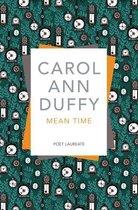
Havisham
Title- 'Miss' is left out of the title here - this underlines that she
has never married, reduces her to someone anonymous and
gives her maiden name importance. This is a conjuncture, but
perhaps that is supposed to symbolize the character trying to
rid herself of that moniker as it is a reminder of how she was
jilted. To a reader that hasn’t heard of ‘Great Expectations’ and
hasn’t had any knowledge on the character already, they will
see the title of the poem and assume it’s about a male
character. This may be because historically male figures are
addressed by people by their surname and what the men of
their family name has achieved. Women are always referred to
as ‘Miss’ or ‘Mrs’ in front of their surname. Duffy uses as this as
the title to show that just because Havisham was ‘jilted’ on her
wedding day, doesn’t mean that she is somewhere between a
Miss and a Mrs, she is not actually either and a women can
have their own role and reputation without the bounds of
marriage. Semantic derogation- omission of Mrs. Patriarchy
affirming language- Duffy attempts to remove this by showing
the entrapment forced by the patriarchy. Duffy adopts the
persona of Miss Havisham who is a gothic grotesque character
from Dicken's novel 'Great Expectations.' Duffy portrays
Havisham in terms of her bitter and jealous rage with sexual
violent revenge fantasies. She is also subjected to violent erotic
fantasies which express her unsatisfied sexual desire.
Themes- Female sexuality, psychosis, gender, corrosive power
of hatred following romantic rejection, romantic love as a
liminal emotion that overlaps with hate. Time as a malevolent
force, language of desolation.
Point on language- The sense of Havisham’s tortured psychosis
is conveyed in Duffy's frequent use of violent imagery,
oxymorons, and inarticulate, animalistic language.
“Beloved sweetheart bastard”- oxymoron- torturous, conflicting
and simultaneous emotions of love and hate. Paradoxical
nature of intense, romantic love - oxymoron in that one can
love and hate / liminality. Juxtaposing syntax- personification of
the mental processes that the persona is feeling. Violent
language, evidencing how this character has become so
, hellbent on revenge. The beginning is abrupt, with the voice of
Havisham cursing the fiancé who has betrayed her. The plosive
'b' sounds suggest spitting anger and the three words, if spoken
aloud, are halting, with percussive hard consonants. It is worth
noting the voice that Duffy has created for her character,
Havisham. She is in an agony of pain and grief; a woman who
has suffered such a shock that her psyche is terribly damaged.
Duffy expresses this through halting, hesitant, jerky phrases,
and then rushed ideas that burst out without logic or rationality.
Furthermore, alliteration of 'beloved' and 'bastard' adds to her
bitter tone of contempt as it is almost as if she is spitting these
words in anger with a caustic tone, which is emphasised by
Duffy's use of punctuation with this line being a short sentence.
the persona feels a deep sense of contempt for this person,
whilst also unable to forget the love that she once felt for him.
‘Not a day since then I haven’t wished him dead. Prayed for it’-
Enjambment- Here Miss Havisham alludes to her past. We, as
readers, are expected to know what 'then' refers to: her
wedding day, on which she was unceremoniously dumped. The
enjambment highlights the intensity of her continuous vengeful
desires. Morbid imagery, suggesting depth of hatred, disturbing
use of religious imagery - transgressive subversion of what a
prayer is.
“So hard I’ve dark green pebbles for eyes”- assonance-
repetition of similar vowel sounds of ‘hard’ and ‘dark’.
Metaphor- green is the colour of jealousy and sometimes even
sickness. Jealousy- allusion to green eyed monster- again
dehumanised. More intense colour of dark green suggests the
depth of her jealousy. jealousy at him being able to move on or
live without her? Jealousy at others who are married. It implies
that her jealousy has turned her to stone, and that she is no
longer able to see things as they are. Secondly, pebbles are
hard and might suggest pain in her eyes caused by weeping.
Thirdly, eyes are soft and sensitive and often express kindness
(windows to the soul), so this could convey the idea of
hardening of love to malice and growing hatred. Also the fact
that she has concealed herself from the outside world,
"pebbles" are a smaller stone and therefore show how her eyes
have shrunk- myopia.
Title- 'Miss' is left out of the title here - this underlines that she
has never married, reduces her to someone anonymous and
gives her maiden name importance. This is a conjuncture, but
perhaps that is supposed to symbolize the character trying to
rid herself of that moniker as it is a reminder of how she was
jilted. To a reader that hasn’t heard of ‘Great Expectations’ and
hasn’t had any knowledge on the character already, they will
see the title of the poem and assume it’s about a male
character. This may be because historically male figures are
addressed by people by their surname and what the men of
their family name has achieved. Women are always referred to
as ‘Miss’ or ‘Mrs’ in front of their surname. Duffy uses as this as
the title to show that just because Havisham was ‘jilted’ on her
wedding day, doesn’t mean that she is somewhere between a
Miss and a Mrs, she is not actually either and a women can
have their own role and reputation without the bounds of
marriage. Semantic derogation- omission of Mrs. Patriarchy
affirming language- Duffy attempts to remove this by showing
the entrapment forced by the patriarchy. Duffy adopts the
persona of Miss Havisham who is a gothic grotesque character
from Dicken's novel 'Great Expectations.' Duffy portrays
Havisham in terms of her bitter and jealous rage with sexual
violent revenge fantasies. She is also subjected to violent erotic
fantasies which express her unsatisfied sexual desire.
Themes- Female sexuality, psychosis, gender, corrosive power
of hatred following romantic rejection, romantic love as a
liminal emotion that overlaps with hate. Time as a malevolent
force, language of desolation.
Point on language- The sense of Havisham’s tortured psychosis
is conveyed in Duffy's frequent use of violent imagery,
oxymorons, and inarticulate, animalistic language.
“Beloved sweetheart bastard”- oxymoron- torturous, conflicting
and simultaneous emotions of love and hate. Paradoxical
nature of intense, romantic love - oxymoron in that one can
love and hate / liminality. Juxtaposing syntax- personification of
the mental processes that the persona is feeling. Violent
language, evidencing how this character has become so
, hellbent on revenge. The beginning is abrupt, with the voice of
Havisham cursing the fiancé who has betrayed her. The plosive
'b' sounds suggest spitting anger and the three words, if spoken
aloud, are halting, with percussive hard consonants. It is worth
noting the voice that Duffy has created for her character,
Havisham. She is in an agony of pain and grief; a woman who
has suffered such a shock that her psyche is terribly damaged.
Duffy expresses this through halting, hesitant, jerky phrases,
and then rushed ideas that burst out without logic or rationality.
Furthermore, alliteration of 'beloved' and 'bastard' adds to her
bitter tone of contempt as it is almost as if she is spitting these
words in anger with a caustic tone, which is emphasised by
Duffy's use of punctuation with this line being a short sentence.
the persona feels a deep sense of contempt for this person,
whilst also unable to forget the love that she once felt for him.
‘Not a day since then I haven’t wished him dead. Prayed for it’-
Enjambment- Here Miss Havisham alludes to her past. We, as
readers, are expected to know what 'then' refers to: her
wedding day, on which she was unceremoniously dumped. The
enjambment highlights the intensity of her continuous vengeful
desires. Morbid imagery, suggesting depth of hatred, disturbing
use of religious imagery - transgressive subversion of what a
prayer is.
“So hard I’ve dark green pebbles for eyes”- assonance-
repetition of similar vowel sounds of ‘hard’ and ‘dark’.
Metaphor- green is the colour of jealousy and sometimes even
sickness. Jealousy- allusion to green eyed monster- again
dehumanised. More intense colour of dark green suggests the
depth of her jealousy. jealousy at him being able to move on or
live without her? Jealousy at others who are married. It implies
that her jealousy has turned her to stone, and that she is no
longer able to see things as they are. Secondly, pebbles are
hard and might suggest pain in her eyes caused by weeping.
Thirdly, eyes are soft and sensitive and often express kindness
(windows to the soul), so this could convey the idea of
hardening of love to malice and growing hatred. Also the fact
that she has concealed herself from the outside world,
"pebbles" are a smaller stone and therefore show how her eyes
have shrunk- myopia.