Edrftgyihu jiuh
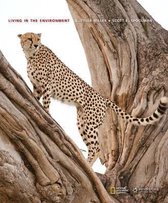
Living in the Environment,
ST
18th Edition
UV
TEST BANK
IA
G. Tyler Miller
_A
Scott Spoolman
────────────────────────────────────────────────────
PP
Comprehensive Test Bank for Instructors
and Students
RO
||| ||| || ||| || | || ||| | || ||| |
9781133940135
VE
© G. Tyler Miller & Scott Spoolman. All rights reserved.
Reproduction or distribution without permission is prohibited.
D?
© MEDCONNOISSEUR
, Edrftgyihu jiuh
Living in the Environment — Test Bank
G. Tyler Miller and Scott Spoolman
ISBN: 9781133940135
ST
Chapter 1: Environmental Problems, Their Causes, and Sustainability
Chapter 2: Science, Matter, Energy, and Systems
Chapter 3: Ecosystems: What Are They and How Do They Work?
UV
Chapter 4: Biodiversity and Evolution
Chapter 5: Biodiversity, Species Interactions, and Population Control
Chapter 6: The Human Population and Its Impact
Chapter 7: Climate and Biodiversity
Chapter 8: Aquatic Biodiversity
IA
Chapter 9: Sustaining Biodiversity: Saving Species and Ecosystem Services
Chapter 10: Sustaining Terrestrial Biodiversity: Saving Ecosystems and Ecosystem Services
Chapter 11: Sustaining Aquatic Biodiversity and Ecosystem Services
Chapter 12: Food Production and the Environment
_A
Chapter 13: Water Resources
Chapter 14: Nonrenewable Mineral Resources
Chapter 15: Nonrenewable Energy
Chapter 16: Energy Efficiency and Renewable Energy
PP
Chapter 17: Environmental Hazards and Human Health
Chapter 18: Air Pollution
Chapter 19: Climate Disruption
Chapter 20: Water Pollution
RO
Chapter 21: Solid and Hazardous Waste
Chapter 22: Urbanization and Sustainability
Chapter 23: Economics, Environment, and Sustainability
Chapter 24: Politics, Environment, and Sustainability
Chapter 25: Environmental Worldviews, Ethics, and Sustainability
VE
D?
© MEDCONNOISSEUR
, CHAPTER 1—ENVIRONMENTAL PROBLEMS, THEIR CAUSES, AND
SUSTAINABILITY
MULTIPLE CHOICE
1. Sustainability refers to _____.
a. the way in which the natural world works
ST
b. how we interact with the environment
c. human methods of coping with environmental problems
d. refusing, reducing, reusing, and recycling
e. the capacity of the earth’s natural systems to survive, flourish, and adapt
UV
ANS: E PTS: 1
TOP: Core Case Study: A vision of a more sustainable world in 2065
KEY: Bloom's: Remember NOT: New
2. Which discipline is most associated with environmental science?
a. botany
b. political science
IA
c. sociology
d. ecology
e. psychology
_A
ANS: D PTS: 1 TOP: 1-1 What Are Some Principles of Sustainability?
KEY: Bloom's: Remember NOT: Modified
3. A forest with plants, animals, and various other organisms is an example of a(n) _____.
a. ecosystem
b. species
PP
c. ecology
d. life-support system
e. nutrient
ANS: A PTS: 1 TOP: 1-1 What Are Some Principles of Sustainability?
KEY: Bloom's: Understand NOT: New
RO
4. Using normally renewable resources faster than nature can renew them is called _____.
a. nutrient cycling
b. nutrient deficit
c. sustainability
d. trade-offs
VE
e. degrading natural capital
ANS: E PTS: 1 TOP: 1-1 What Are Some Principles of Sustainability?
KEY: Bloom's: Remember
5. Solar energy is known as a(n) _____.
D?
a. renewable resource
b. recyclable resource
c. inexhaustible resource
d. reusable resource
e. nonrenewable resource
ANS: C PTS: 1 TOP: 1-1 What Are Some Principles of Sustainability?
, KEY: Bloom's: Remember
6. What is one of the three social science principles of sustainability?
a. A dependence on solar energy
b. A focus on chemical cycling
c. The degradation of natural capital
d. A responsibility to future generations
e. The ability to retain biodiversity
ST
ANS: D PTS: 1 TOP: 1-1 What Are Some Principles of Sustainability?
KEY: Bloom's: Remember NOT: New
7. Topsoil is an important component of _____.
a. biodiversity
UV
b. ecosystems
c. natural resources
d. win-win solutions
e. nutrient cycling
ANS: E PTS: 1 TOP: 1-1 What Are Some Principles of Sustainability?
KEY: Bloom's: Remember NOT: New
IA
8. According to a number of environmental scientists, we already know how to reuse or recycle at least
_____ of the nonrenewable resources we use.
a. 80%
_A
b. 65%
c. 50%
d. 40%
e. 25%
ANS: A PTS: 1 TOP: 1-1 What Are Some Principles of Sustainability?
PP
KEY: Bloom's: Remember NOT: New
9. What are the priorities for more sustainable use of renewable resources, in order?
a. refuse, renew, reduce, and recycle
b. recycle, renew, reuse, and reduce
RO
c. resource, recycle, renew, and reduce
d. refuse, reduce, reuse, and recycle
e. refuse, reduce, recycle, and renew
ANS: D PTS: 1 TOP: 1-1 What Are Some Principles of Sustainability?
KEY: Bloom's: Remember NOT: New
VE
10. More-developed countries _____.
a. have a lower average income
b. use mostly renewable resources
c. rely entirely on nonrenewable resources
d. comprise 17% of the world’s population
D?
e. provide fewer recycling services
ANS: D PTS: 1 TOP: 1-1 What Are Some Principles of Sustainability?
KEY: Bloom's: Remember NOT: New
11. The primary difference between renewable resources and nonrenewable resources is ____.
a. how easily each can be discovered
Living in the Environment,
ST
18th Edition
UV
TEST BANK
IA
G. Tyler Miller
_A
Scott Spoolman
────────────────────────────────────────────────────
PP
Comprehensive Test Bank for Instructors
and Students
RO
||| ||| || ||| || | || ||| | || ||| |
9781133940135
VE
© G. Tyler Miller & Scott Spoolman. All rights reserved.
Reproduction or distribution without permission is prohibited.
D?
© MEDCONNOISSEUR
, Edrftgyihu jiuh
Living in the Environment — Test Bank
G. Tyler Miller and Scott Spoolman
ISBN: 9781133940135
ST
Chapter 1: Environmental Problems, Their Causes, and Sustainability
Chapter 2: Science, Matter, Energy, and Systems
Chapter 3: Ecosystems: What Are They and How Do They Work?
UV
Chapter 4: Biodiversity and Evolution
Chapter 5: Biodiversity, Species Interactions, and Population Control
Chapter 6: The Human Population and Its Impact
Chapter 7: Climate and Biodiversity
Chapter 8: Aquatic Biodiversity
IA
Chapter 9: Sustaining Biodiversity: Saving Species and Ecosystem Services
Chapter 10: Sustaining Terrestrial Biodiversity: Saving Ecosystems and Ecosystem Services
Chapter 11: Sustaining Aquatic Biodiversity and Ecosystem Services
Chapter 12: Food Production and the Environment
_A
Chapter 13: Water Resources
Chapter 14: Nonrenewable Mineral Resources
Chapter 15: Nonrenewable Energy
Chapter 16: Energy Efficiency and Renewable Energy
PP
Chapter 17: Environmental Hazards and Human Health
Chapter 18: Air Pollution
Chapter 19: Climate Disruption
Chapter 20: Water Pollution
RO
Chapter 21: Solid and Hazardous Waste
Chapter 22: Urbanization and Sustainability
Chapter 23: Economics, Environment, and Sustainability
Chapter 24: Politics, Environment, and Sustainability
Chapter 25: Environmental Worldviews, Ethics, and Sustainability
VE
D?
© MEDCONNOISSEUR
, CHAPTER 1—ENVIRONMENTAL PROBLEMS, THEIR CAUSES, AND
SUSTAINABILITY
MULTIPLE CHOICE
1. Sustainability refers to _____.
a. the way in which the natural world works
ST
b. how we interact with the environment
c. human methods of coping with environmental problems
d. refusing, reducing, reusing, and recycling
e. the capacity of the earth’s natural systems to survive, flourish, and adapt
UV
ANS: E PTS: 1
TOP: Core Case Study: A vision of a more sustainable world in 2065
KEY: Bloom's: Remember NOT: New
2. Which discipline is most associated with environmental science?
a. botany
b. political science
IA
c. sociology
d. ecology
e. psychology
_A
ANS: D PTS: 1 TOP: 1-1 What Are Some Principles of Sustainability?
KEY: Bloom's: Remember NOT: Modified
3. A forest with plants, animals, and various other organisms is an example of a(n) _____.
a. ecosystem
b. species
PP
c. ecology
d. life-support system
e. nutrient
ANS: A PTS: 1 TOP: 1-1 What Are Some Principles of Sustainability?
KEY: Bloom's: Understand NOT: New
RO
4. Using normally renewable resources faster than nature can renew them is called _____.
a. nutrient cycling
b. nutrient deficit
c. sustainability
d. trade-offs
VE
e. degrading natural capital
ANS: E PTS: 1 TOP: 1-1 What Are Some Principles of Sustainability?
KEY: Bloom's: Remember
5. Solar energy is known as a(n) _____.
D?
a. renewable resource
b. recyclable resource
c. inexhaustible resource
d. reusable resource
e. nonrenewable resource
ANS: C PTS: 1 TOP: 1-1 What Are Some Principles of Sustainability?
, KEY: Bloom's: Remember
6. What is one of the three social science principles of sustainability?
a. A dependence on solar energy
b. A focus on chemical cycling
c. The degradation of natural capital
d. A responsibility to future generations
e. The ability to retain biodiversity
ST
ANS: D PTS: 1 TOP: 1-1 What Are Some Principles of Sustainability?
KEY: Bloom's: Remember NOT: New
7. Topsoil is an important component of _____.
a. biodiversity
UV
b. ecosystems
c. natural resources
d. win-win solutions
e. nutrient cycling
ANS: E PTS: 1 TOP: 1-1 What Are Some Principles of Sustainability?
KEY: Bloom's: Remember NOT: New
IA
8. According to a number of environmental scientists, we already know how to reuse or recycle at least
_____ of the nonrenewable resources we use.
a. 80%
_A
b. 65%
c. 50%
d. 40%
e. 25%
ANS: A PTS: 1 TOP: 1-1 What Are Some Principles of Sustainability?
PP
KEY: Bloom's: Remember NOT: New
9. What are the priorities for more sustainable use of renewable resources, in order?
a. refuse, renew, reduce, and recycle
b. recycle, renew, reuse, and reduce
RO
c. resource, recycle, renew, and reduce
d. refuse, reduce, reuse, and recycle
e. refuse, reduce, recycle, and renew
ANS: D PTS: 1 TOP: 1-1 What Are Some Principles of Sustainability?
KEY: Bloom's: Remember NOT: New
VE
10. More-developed countries _____.
a. have a lower average income
b. use mostly renewable resources
c. rely entirely on nonrenewable resources
d. comprise 17% of the world’s population
D?
e. provide fewer recycling services
ANS: D PTS: 1 TOP: 1-1 What Are Some Principles of Sustainability?
KEY: Bloom's: Remember NOT: New
11. The primary difference between renewable resources and nonrenewable resources is ____.
a. how easily each can be discovered