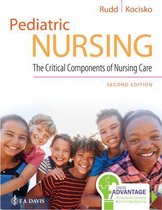
FULL TEST BANK
PEDIATRIC NURSING THE CRITICAL COMPONENTS OF
NURSING CARE 2ND EDITION RUDD TEST BANK
PRINTABLE PDF |ORIGINAL & DIRECTLY FROM THE PUBLISHER|
100% VERIFIED ANSWERS|
INSTANT DOWNLOAD AFTER THE ORDER
,Pediatric Nursing The Critical Components of Nursing Care 2nd Edition Rudd Test Bank
Contents
Chapter 1. Issues and Trends in Pediatric Nursing ........................................................................................... 1
Chapter 2. Standards of Practice and Ethical Considerations ........................................................................... 9
Chapter 3. Family Dynamics and Communicating with Children and Families ............................................. 20
Chapter 4. Cultural, Spiritual, and Environmental Influences on the Child ................................................... 31
Chapter 5. End-of-Life Care ........................................................................................................................... 44
Chapter 6. Growth and Development ............................................................................................................. 60
Chapter 7. Newborns and Infants.................................................................................................................... 72
Chapter 8. From Toddlers to Preschoolers ...................................................................................................... 86
Chapter 9. School-Age Children ................................................................................................................... 103
COMPLETION............................................................................................................................................. 114
Chapter 10. Adolescents ............................................................................................................................... 115
Chapter 11. Respiratory Disorders ................................................................................................................ 128
COMPLETION............................................................................................................................................. 145
Chapter 12. Cardiovascular Disorders .......................................................................................................... 146
Chapter 13. Neurological and Sensory Disorders ......................................................................................... 161
Chapter 14. Mental Health Disorders ........................................................................................................... 175
Chapter 15. Gastrointestinal Disorders ......................................................................................................... 189
Chapter 16. Renal disorders .......................................................................................................................... 205
COMPLETION............................................................................................................................................. 217
Chapter 17. Endocrine disorders ................................................................................................................... 218
COMPLETION............................................................................................................................................. 232
Chapter 18. Reproductive and Genetic Disorders ......................................................................................... 233
COMPLETION............................................................................................................................................. 247
Chapter 19. Hematologic, Immunologic, and Neoplastic Disorders ............................................................. 248
COMPLETION............................................................................................................................................. 264
Chapter 20. Musculoskeletal Disorders ........................................................................................................ 264
COMPLETION............................................................................................................................................. 277
Chapter 21. Dermatologic Diseases .............................................................................................................. 278
COMPLETION............................................................................................................................................. 292
Chapter 22. Communicable Diseases............................................................................................................ 293
Chapter 1. Issues and Trends in Pediatric Nursing
,4. A nurse is completing a clinical pathway for a child admitted to the hospital with pneumonia.
Which characteristic of a clinical pathway is correct?
a. Developed and implemented by nurses
b. Used primarily in the pediatric setting
c. Specific time lines for sequencing interventions
d. One of the steps in the nursing process
ANS: C
Clinical pathways measure outcomes of client care and are developed by multiple healthcare
professionals. Each pathway outlines specific time lines for sequencing interventions and reflects
interdisciplinary interventions. Clinical pathways are used in multiple settings and for clients
throughout the life span. The steps of the nursing process are assessment, diagnosis, planning,
implementation, and evaluation.
DIF: Cognitive Level: Comprehension REF: p. 6
OBJ: Nursing Process Step: Planning MSC: Safe and Effective Care Environment
5. When planning a parenting class, the nurse should explain that the leading cause of death in
children 1 to 4 years of age in the United States is:
a. premature birth.
b. congenital anomalies.
c. accidental death.
d. respiratory tract illness.
ANS: C
Accidents are the leading cause of death in children ages 1 to 19 years. Disorders of short
gestation and unspecified low birth weight make up one of the leading causes of death in
neonates. One of the leading causes of infant death after the first month of life is congenital
anomalies. Respiratory tract illnesses are a major cause of morbidity in children.
, DIF: Cognitive Level: Application REF: p. 9
OBJ: Nursing Process Step: Implementation
MSC: Safe and Effective Care Environment
6. Which statement is true regarding the quality assurance or incident report?
a. The report assures the legal department that there is no problem.
b. Reports are a permanent part of the clients chart.
c. The nurses notes should contain the following: Incident report filed and copy
placed in chart.
d. This report is a form of documentation of an event that may result in legal action.
ANS: D
An incident report is a warning to the legal department to be prepared for potential legal action;
it is not a part of the clients chart or nurse documentation.
DIF: Cognitive Level: Knowledge REF: p. 14
OBJ: Nursing Process Step: Implementation
MSC: Safe and Effective Care Environment
7. Which client situation fails to meet the first requirement of informed consent?
a. The parent does not understand the physicians explanations.
b. The physician gives the parent only a partial list of possible side effects and
complications.
c. No parent is available and the physician asks the adolescent to sign the consent
form.
d. The infants teenage mother signs a consent form because her parent tells her to.
ANS: C
PEDIATRIC NURSING THE CRITICAL COMPONENTS OF
NURSING CARE 2ND EDITION RUDD TEST BANK
PRINTABLE PDF |ORIGINAL & DIRECTLY FROM THE PUBLISHER|
100% VERIFIED ANSWERS|
INSTANT DOWNLOAD AFTER THE ORDER
,Pediatric Nursing The Critical Components of Nursing Care 2nd Edition Rudd Test Bank
Contents
Chapter 1. Issues and Trends in Pediatric Nursing ........................................................................................... 1
Chapter 2. Standards of Practice and Ethical Considerations ........................................................................... 9
Chapter 3. Family Dynamics and Communicating with Children and Families ............................................. 20
Chapter 4. Cultural, Spiritual, and Environmental Influences on the Child ................................................... 31
Chapter 5. End-of-Life Care ........................................................................................................................... 44
Chapter 6. Growth and Development ............................................................................................................. 60
Chapter 7. Newborns and Infants.................................................................................................................... 72
Chapter 8. From Toddlers to Preschoolers ...................................................................................................... 86
Chapter 9. School-Age Children ................................................................................................................... 103
COMPLETION............................................................................................................................................. 114
Chapter 10. Adolescents ............................................................................................................................... 115
Chapter 11. Respiratory Disorders ................................................................................................................ 128
COMPLETION............................................................................................................................................. 145
Chapter 12. Cardiovascular Disorders .......................................................................................................... 146
Chapter 13. Neurological and Sensory Disorders ......................................................................................... 161
Chapter 14. Mental Health Disorders ........................................................................................................... 175
Chapter 15. Gastrointestinal Disorders ......................................................................................................... 189
Chapter 16. Renal disorders .......................................................................................................................... 205
COMPLETION............................................................................................................................................. 217
Chapter 17. Endocrine disorders ................................................................................................................... 218
COMPLETION............................................................................................................................................. 232
Chapter 18. Reproductive and Genetic Disorders ......................................................................................... 233
COMPLETION............................................................................................................................................. 247
Chapter 19. Hematologic, Immunologic, and Neoplastic Disorders ............................................................. 248
COMPLETION............................................................................................................................................. 264
Chapter 20. Musculoskeletal Disorders ........................................................................................................ 264
COMPLETION............................................................................................................................................. 277
Chapter 21. Dermatologic Diseases .............................................................................................................. 278
COMPLETION............................................................................................................................................. 292
Chapter 22. Communicable Diseases............................................................................................................ 293
Chapter 1. Issues and Trends in Pediatric Nursing
,4. A nurse is completing a clinical pathway for a child admitted to the hospital with pneumonia.
Which characteristic of a clinical pathway is correct?
a. Developed and implemented by nurses
b. Used primarily in the pediatric setting
c. Specific time lines for sequencing interventions
d. One of the steps in the nursing process
ANS: C
Clinical pathways measure outcomes of client care and are developed by multiple healthcare
professionals. Each pathway outlines specific time lines for sequencing interventions and reflects
interdisciplinary interventions. Clinical pathways are used in multiple settings and for clients
throughout the life span. The steps of the nursing process are assessment, diagnosis, planning,
implementation, and evaluation.
DIF: Cognitive Level: Comprehension REF: p. 6
OBJ: Nursing Process Step: Planning MSC: Safe and Effective Care Environment
5. When planning a parenting class, the nurse should explain that the leading cause of death in
children 1 to 4 years of age in the United States is:
a. premature birth.
b. congenital anomalies.
c. accidental death.
d. respiratory tract illness.
ANS: C
Accidents are the leading cause of death in children ages 1 to 19 years. Disorders of short
gestation and unspecified low birth weight make up one of the leading causes of death in
neonates. One of the leading causes of infant death after the first month of life is congenital
anomalies. Respiratory tract illnesses are a major cause of morbidity in children.
, DIF: Cognitive Level: Application REF: p. 9
OBJ: Nursing Process Step: Implementation
MSC: Safe and Effective Care Environment
6. Which statement is true regarding the quality assurance or incident report?
a. The report assures the legal department that there is no problem.
b. Reports are a permanent part of the clients chart.
c. The nurses notes should contain the following: Incident report filed and copy
placed in chart.
d. This report is a form of documentation of an event that may result in legal action.
ANS: D
An incident report is a warning to the legal department to be prepared for potential legal action;
it is not a part of the clients chart or nurse documentation.
DIF: Cognitive Level: Knowledge REF: p. 14
OBJ: Nursing Process Step: Implementation
MSC: Safe and Effective Care Environment
7. Which client situation fails to meet the first requirement of informed consent?
a. The parent does not understand the physicians explanations.
b. The physician gives the parent only a partial list of possible side effects and
complications.
c. No parent is available and the physician asks the adolescent to sign the consent
form.
d. The infants teenage mother signs a consent form because her parent tells her to.
ANS: C