Gracie Hart Macapagal
AP Literature and Composition
Teacher’s Name
June 2, 2024
Wealth and Social Class in the Eyes of Fitzgerald
F. Scott Fitzgerald was an American novelist and short story writer born into the
upper middle class, well known for writing novels about the Jazz Age or Roaring Twenties.
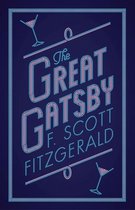
Fitzgerald is famous for writing the iconic novels The Great Gatsby and Tender Is the Night.
He wrote four novels in his lifetime based on the concept of class, class roles, and their ways
of living; his writings helped describe these characters' extravagant lifestyle during the Jazz
Age that revolved around Ivy League Universities, rich residents, and elaborate vacations.
The Great Gatsby became the greatest literary piece during this period, when the American
economy leveled up bringing prosperity to the country and several families and individuals.
Fitzgerald realized that the American class system is a type of endemic growth. Fitzgerald
created two seemingly unrelated stories with common themes and issues regarding social
class structure and materialism. The hedonistic lifestyles of the characters in The Great
Gatsby and Tender Is the Night, showcase an obsession with extravagant objects,
demonstrating the message that social class impacts one’s success. Conclusively, the
characters face demise and financial issues that convey Fitzgerald’s main idea that wealth
does not always lead to happiness and that the pursuit of wealth corrupts people's mindsets,
causing them to act differently, and often immorally. Elite and wealthy people are frequently
careless individuals who anticipate that there are no consequences for their actions since they
can get away from something terrible due to the power of their wealth. The Great Gatsby and
Tender Is the Night, showcase the lavish lifestyle of elite American individuals after the war;
not only did the war bring prosperity and transformation to the country but it also had a
, negative impact on many people, which divided people into groups with special roles in
society. Additionally, the materialistic lifestyle brought by the American Dream led to their
tragedy and distress conveying the reality of life.
Both The Great Gatsby and Tender Is the Night exposes class structure as one of the
biggest societal issues, unnecessarily dividing people based on their wealth. However, wealth
leads to tragedy for at least one character in each novel. Sadly, the fame and luxurious
lifestyle of Jay Gatsby in The Great Gatsby comes to an end. Although these people
understand the sophistication of a lavish lifestyle, they do not incorporate the most important
aspect of being a person of good morals. In Tanfer Emin Tunc’s Great Gatsby, The Tragedy
of the American Dreams on Long Island's Gold Coast highlights a crucial moment in
Fitzgerald's novel, mentioning that “Daisy accidentally kills Myrtle with Gatsby Roll
Royce—the quintessential symbol of Jazz Age materialism—and then leaves the scene of the
crime for the security and respectability of East Egg” (5). This accident shows their lack of
sympathy and carelessness towards Myrtle's death. Additionally, they believed that there
were no consequences, no matter how terrible their actions were because of the safety of their
wealth.
Moreover, “They were careless people, Tom and Daisy—they smashed up things and
creatures and then retreated into their money or their vast carelessness, or whatever it was
that kept them together, and let other people clean up the mess they had made…” (Fitzgerald
179) This suggests how wealth and class affect the mindset and behaviour of the characters,
leading them to act immorally while ignoring the most righteous act of setting an ideal
example of educated individuals, especially when it comes to using their wealth in a morally
upright manner. In this novel, Fitzgerald reveals their sinful acts, specifically murder and
cheating. In particular, Tom Buchanan’s unfaithfulness to his wife, Daisy, who had an affair
with Myrtle highlights his lack of moral integrity, arrogance, and disregard for his marriage.
AP Literature and Composition
Teacher’s Name
June 2, 2024
Wealth and Social Class in the Eyes of Fitzgerald
F. Scott Fitzgerald was an American novelist and short story writer born into the
upper middle class, well known for writing novels about the Jazz Age or Roaring Twenties.
Fitzgerald is famous for writing the iconic novels The Great Gatsby and Tender Is the Night.
He wrote four novels in his lifetime based on the concept of class, class roles, and their ways
of living; his writings helped describe these characters' extravagant lifestyle during the Jazz
Age that revolved around Ivy League Universities, rich residents, and elaborate vacations.
The Great Gatsby became the greatest literary piece during this period, when the American
economy leveled up bringing prosperity to the country and several families and individuals.
Fitzgerald realized that the American class system is a type of endemic growth. Fitzgerald
created two seemingly unrelated stories with common themes and issues regarding social
class structure and materialism. The hedonistic lifestyles of the characters in The Great
Gatsby and Tender Is the Night, showcase an obsession with extravagant objects,
demonstrating the message that social class impacts one’s success. Conclusively, the
characters face demise and financial issues that convey Fitzgerald’s main idea that wealth
does not always lead to happiness and that the pursuit of wealth corrupts people's mindsets,
causing them to act differently, and often immorally. Elite and wealthy people are frequently
careless individuals who anticipate that there are no consequences for their actions since they
can get away from something terrible due to the power of their wealth. The Great Gatsby and
Tender Is the Night, showcase the lavish lifestyle of elite American individuals after the war;
not only did the war bring prosperity and transformation to the country but it also had a
, negative impact on many people, which divided people into groups with special roles in
society. Additionally, the materialistic lifestyle brought by the American Dream led to their
tragedy and distress conveying the reality of life.
Both The Great Gatsby and Tender Is the Night exposes class structure as one of the
biggest societal issues, unnecessarily dividing people based on their wealth. However, wealth
leads to tragedy for at least one character in each novel. Sadly, the fame and luxurious
lifestyle of Jay Gatsby in The Great Gatsby comes to an end. Although these people
understand the sophistication of a lavish lifestyle, they do not incorporate the most important
aspect of being a person of good morals. In Tanfer Emin Tunc’s Great Gatsby, The Tragedy
of the American Dreams on Long Island's Gold Coast highlights a crucial moment in
Fitzgerald's novel, mentioning that “Daisy accidentally kills Myrtle with Gatsby Roll
Royce—the quintessential symbol of Jazz Age materialism—and then leaves the scene of the
crime for the security and respectability of East Egg” (5). This accident shows their lack of
sympathy and carelessness towards Myrtle's death. Additionally, they believed that there
were no consequences, no matter how terrible their actions were because of the safety of their
wealth.
Moreover, “They were careless people, Tom and Daisy—they smashed up things and
creatures and then retreated into their money or their vast carelessness, or whatever it was
that kept them together, and let other people clean up the mess they had made…” (Fitzgerald
179) This suggests how wealth and class affect the mindset and behaviour of the characters,
leading them to act immorally while ignoring the most righteous act of setting an ideal
example of educated individuals, especially when it comes to using their wealth in a morally
upright manner. In this novel, Fitzgerald reveals their sinful acts, specifically murder and
cheating. In particular, Tom Buchanan’s unfaithfulness to his wife, Daisy, who had an affair
with Myrtle highlights his lack of moral integrity, arrogance, and disregard for his marriage.