Co
1|Page
nfi
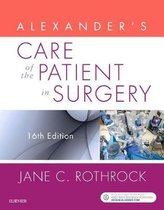
Alexander’s Care of the Patient in Surgery 16th
de
Edition Rothrock Test bank
n
Questions & Answers with rationales (Chapter 1-30) LATEST 2025
al
, Co
2|Page
nfi
Table of Contents
de
Unit 1: Foundations for Practice
1. Concepts Basic to Perioperative Nursing
n
2. Patient Safety and Risk Management
al
3. Workplace Issues and Staff Safety
4. Infection Prevention and Control
5. Anesthesia
6. Positioning the Patient for Surgery
7. Sutures, Sharps, and Instruments
8. Surgical Modalities
9. Wound Healing, Dressings, and Drains
10. Postoperative Patient Care and Pain Management
Unit 2: Surgical Interventions
11. Gastrointestinal Surgery
12. Surgery of the Liver, Biliary Tract, Pancreas, and Spleen
13. Hernia Repair
14. Gynecologic and Obstetric Surgery
15. Genitourinary Surgery
16. Thyroid and Parathyroid Surgery
17. Breast Surgery
18. Ophthalmic Surgery
19. Otorhinolarygologic Surgery
20. Orthopedic Surgery
21. Neurosurgery
22. Reconstructive and Aesthetic Plastic Surgery
22. Thoracic Surgery
23. Vascular Surgery
24. Cardiac Surgery
, Co
3|Page
nfi
Unit 3: Special Considerations
de
26. Pediatric Surgery
27. Geriatric Surgery 28. Trauma Surgery
n
29. Interventional and Image-Guided Procedures
al
30. Integrative Health Practices: Complementary and Alternative Therapies
Chapter 01: Concepts Basic to Perioperative Nursing
MULTIPLE CHOICE
1. The Perioperative Patient Focused Model presents key components of nursing influence that
guide patient care. Select the statement that best describes the dynamic relationship within the model.
a. The patient experience and the nursing presence are in continuous interaction.
b. Structure, process, and outcome are the foundation domains of the model.
c. The perioperative nurse is the central dynamic core of the model.
d. The interrelated nursing process rings bind the patient to the model.
ANS: A
The Perioperative Patient Focused Model consists of domains or areas of nursing concern: nursing
diagnoses, nursing interventions, and patient outcomes. These domains are in continuous interaction with
the health system that encircles the focus of perioperative nursing practice—the patient.
2. The Association of PeriOperative Registered Nurses’ (AORN) Standards of Perioperative
Nursing describes nursing interactions, interventions, and activities with patients. This is based on which
standards category?
a. Evidence-based
b. Process
c. Outcome
d. Structural
ANS: B
Process standards relate to nursing activities, interventions, and interactions. They are used to explicate
clinical, professional, and quality objectives in perioperative nursing.
3. Which order best describes the process used to implement evidence-based professional nursing?
a. Literature search, theory review, data analysis, policy development
b. Regional survey, literature search, meta-analysis, practice change
, Co
4|Page
nfi
c. Identify problem, scientific evidence, develop policy, evaluate outcome
de
d. Identify issue, analyze scientific evidence, implement change, evaluate process
ANS: D
n
Evidence-based practice is a systematic, thorough process by which to identify an issue, to collect and
evaluate the best evidence to design and implement a practice change, and to evaluate the process.
al
4. The ambulatory surgery unit is planning to develop a standardized skin preparation practice for
their unit. The best process to gather scientific information is to:
a. conduct a survey of skin prep policies at the next AORN chapter meeting.
b. review their surgical site infection data from the last 6 months.
c. conduct a literature search on antimicrobial agents and infection prevention.
d. review the scientific literature from the leading manufacturers of prep solutions.
ANS: C
Perioperative nurses have an ethical responsibility to review practices and to modify them based on the
best available scientific evidence. Using research to guide practice is called evidence-based practice
(EBP).
5. The cardiac team is developing a standardized sterile back table setup and is unable to find
sufficient research evidence for their project. Where might they look for information on best practices?
a. Survey regional surgical technology programs for their back table models
b. Review case studies and expert opinions on sterile back table setups
c. Review AORN’s Guidelines for Perioperative Practice on sterilization and disinfection
d. Consult with facility instrument vendor representatives for their advice
ANS: B
When there is not enough evidence to guide practice, perioperative nurses should consider gathering
information from varied trusted sources that reflect best practices.
6. How do institutional standards of care, such as policies and procedures, differ from national
standards, such as AORN’s Standards of Perioperative Nursing?
a. They are written by nurses.
b. They are written specifically to address responsibilities under specific circumstances.
c. They are collaborative and collective agreement statements.
d. They are rarely based on research.
ANS: B
1|Page
nfi
Alexander’s Care of the Patient in Surgery 16th
de
Edition Rothrock Test bank
n
Questions & Answers with rationales (Chapter 1-30) LATEST 2025
al
, Co
2|Page
nfi
Table of Contents
de
Unit 1: Foundations for Practice
1. Concepts Basic to Perioperative Nursing
n
2. Patient Safety and Risk Management
al
3. Workplace Issues and Staff Safety
4. Infection Prevention and Control
5. Anesthesia
6. Positioning the Patient for Surgery
7. Sutures, Sharps, and Instruments
8. Surgical Modalities
9. Wound Healing, Dressings, and Drains
10. Postoperative Patient Care and Pain Management
Unit 2: Surgical Interventions
11. Gastrointestinal Surgery
12. Surgery of the Liver, Biliary Tract, Pancreas, and Spleen
13. Hernia Repair
14. Gynecologic and Obstetric Surgery
15. Genitourinary Surgery
16. Thyroid and Parathyroid Surgery
17. Breast Surgery
18. Ophthalmic Surgery
19. Otorhinolarygologic Surgery
20. Orthopedic Surgery
21. Neurosurgery
22. Reconstructive and Aesthetic Plastic Surgery
22. Thoracic Surgery
23. Vascular Surgery
24. Cardiac Surgery
, Co
3|Page
nfi
Unit 3: Special Considerations
de
26. Pediatric Surgery
27. Geriatric Surgery 28. Trauma Surgery
n
29. Interventional and Image-Guided Procedures
al
30. Integrative Health Practices: Complementary and Alternative Therapies
Chapter 01: Concepts Basic to Perioperative Nursing
MULTIPLE CHOICE
1. The Perioperative Patient Focused Model presents key components of nursing influence that
guide patient care. Select the statement that best describes the dynamic relationship within the model.
a. The patient experience and the nursing presence are in continuous interaction.
b. Structure, process, and outcome are the foundation domains of the model.
c. The perioperative nurse is the central dynamic core of the model.
d. The interrelated nursing process rings bind the patient to the model.
ANS: A
The Perioperative Patient Focused Model consists of domains or areas of nursing concern: nursing
diagnoses, nursing interventions, and patient outcomes. These domains are in continuous interaction with
the health system that encircles the focus of perioperative nursing practice—the patient.
2. The Association of PeriOperative Registered Nurses’ (AORN) Standards of Perioperative
Nursing describes nursing interactions, interventions, and activities with patients. This is based on which
standards category?
a. Evidence-based
b. Process
c. Outcome
d. Structural
ANS: B
Process standards relate to nursing activities, interventions, and interactions. They are used to explicate
clinical, professional, and quality objectives in perioperative nursing.
3. Which order best describes the process used to implement evidence-based professional nursing?
a. Literature search, theory review, data analysis, policy development
b. Regional survey, literature search, meta-analysis, practice change
, Co
4|Page
nfi
c. Identify problem, scientific evidence, develop policy, evaluate outcome
de
d. Identify issue, analyze scientific evidence, implement change, evaluate process
ANS: D
n
Evidence-based practice is a systematic, thorough process by which to identify an issue, to collect and
evaluate the best evidence to design and implement a practice change, and to evaluate the process.
al
4. The ambulatory surgery unit is planning to develop a standardized skin preparation practice for
their unit. The best process to gather scientific information is to:
a. conduct a survey of skin prep policies at the next AORN chapter meeting.
b. review their surgical site infection data from the last 6 months.
c. conduct a literature search on antimicrobial agents and infection prevention.
d. review the scientific literature from the leading manufacturers of prep solutions.
ANS: C
Perioperative nurses have an ethical responsibility to review practices and to modify them based on the
best available scientific evidence. Using research to guide practice is called evidence-based practice
(EBP).
5. The cardiac team is developing a standardized sterile back table setup and is unable to find
sufficient research evidence for their project. Where might they look for information on best practices?
a. Survey regional surgical technology programs for their back table models
b. Review case studies and expert opinions on sterile back table setups
c. Review AORN’s Guidelines for Perioperative Practice on sterilization and disinfection
d. Consult with facility instrument vendor representatives for their advice
ANS: B
When there is not enough evidence to guide practice, perioperative nurses should consider gathering
information from varied trusted sources that reflect best practices.
6. How do institutional standards of care, such as policies and procedures, differ from national
standards, such as AORN’s Standards of Perioperative Nursing?
a. They are written by nurses.
b. They are written specifically to address responsibilities under specific circumstances.
c. They are collaborative and collective agreement statements.
d. They are rarely based on research.
ANS: B