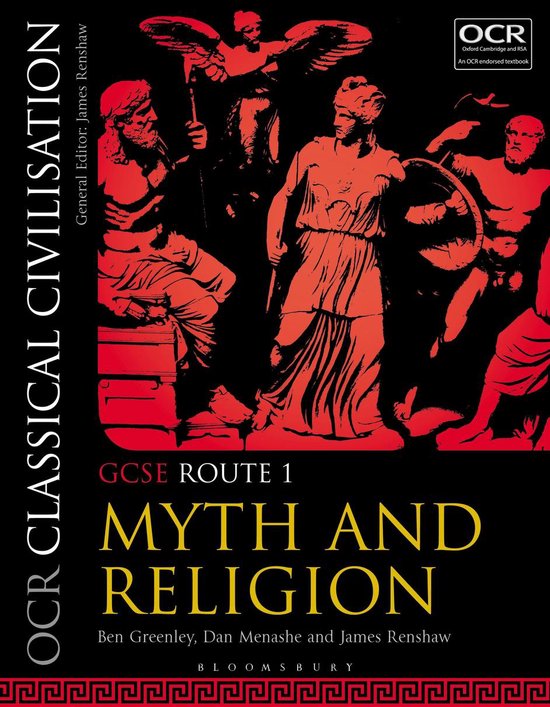
Classics - myth and religion section
The Gods 2
The Greek gods: 2
The Roman gods: 4
Hercules/Heracles 5
The Labours of Heracles (Greek): 6
Hercules and Olympia: 8
The Cult of Hercules in Rome: 9
Main myths (Greek and Roman): 9
Hercules and Cacus (Roman): 9
Hercules and Achelous (Roman): 10
Hercules and Nessus (Roman): 10
The agony and death of Hercules (Roman): 10
The Homeric hymn to Heracles the Lion-Hearted (Greek): 11
The Homeric hymn to Demeter (Greek): 11
Temples 12
Greece: 13
The Parthenon: 14
The Temple of Zeus at Olympia: 16
Rome: 17
The temple of Portunus (Fortuna Virilis): 19
The Pantheon: 20
Festivals 21
The Great Panathenaia: (Greek) 21
The City Dionysia: (Greek) 23
The Lupercalia (Roman): 24
The Saturnalia (Roman): 24
Festivals for the dead and the ancestors: 25
Foundation stories 26
Greek: 26
The naming of Athens: 26
Theseus’s adventures: 26
Roman: 28
The Founding of Rome’s race: Aeneas 28
The Founding of Rome: Romulus and Remus 29
Greece and Rome: 30
A Comparison of Theseus and Romulus: (Livy and Plutarch) 30
Symbols of Power 31
Greek: 31
The Centauromachy: depicted on the Parthenon 31
The Amazonomachy: depicted on the Bassae frieze 32
Rome: 33
The Prima Porta of Augustus 34
The Ara Pacis of Augustus 36
,The Gods
- Greek and Roman religion is polytheistic (meaning many gods)
- The gods were anthropomorphic (by looking and acting like humans,the gods were
therefore more relatable to the Greeks and Romans who wove the Gods into stories
that explained the nature of things in the world
The Greek gods:
Zeus:
- King of the Gods after defeating his father Cronus - divided earth between himself
and his brother - he took the skies, Poseidon the seas and Hades the Underworld
- Keeper of justice, god of the skies and the fate of men
- Bearded man wielding a lighting bolt, holding an eagle or seated at a throne with a
sceptre sometimes
Poseidon:
- God of the seas - very important for sailors and sea journeyers
- Bearded man holding a trident
Hades:
- Chthonic deity and ruler of the Underworld
- With a cornucopia (showing links between his wife and his mother in law) and with
his wife Persephone
Hera:
- Queen of the Gods - God of marriage, women, childbirth and the family
, - Typically wearing a diadem
Athena:
Goddess of war and wisdom
- Depicted with an owl for wisdom or a helmet, spear and the aegis(breastplate or
shield of Athena engraved with the head of a gorgon) for military/war
Demeter:
- Goddess of agriculture and the harvest
- Depicted wearing a diadem holding a bundle of wheat, grain or flowers
Hestia:
- Goddess of home and hearth (the fireplace kept at home)
- Greeks were without central heating, Hestia was very important to survival and
every sacrifice taking place in the home started with an offering to her
- Shown with a veiled head
Hephaistos:
- God of metalworking, fire and craftsmen
- Depicted with a hammer
Aphrodite:
- Goddess of love and beauty
- Shown rising from a sea shell and depicted naked
Artemis:
- Goddess of hunting, wildlife and childbirth
- Associated with the moon, while her twin Apollo is associated with the sun
- Depicted with a bow and arrow and with wild animals
Apollo:
- God of music and the arts, education and prophecies
- Depicted with a bow and arrow and lyre - depicted in eternal youth
Hermes:
- God of travel and trade and the messenger of the Gods
- Depicted with a traveller’s cap, caduceus(a traveller’s staff - two snakes wrap
around the staff) and winged sandals
Ares:
- God of war
- (Athena represents tactics and control in battle, Ares represents the raw violence of
the battle)
- Depicted wearing his armour
Dionysis:
- God of wine and theatre - (lots of libation sacrifices)
, - Depicted with his companions, the maenads and satyrs (female followers of
Dionysis and half man, half goat attendants
The Roman gods:
Jupiter:
- King of the gods and controller of the skies
- Bearded man wielding a lightning bolt - holding an eagle or seated in a throne with a
sceptre
Neptune:
- God of the seas, earthquakes and storms - brother of Jupiter
- Linked with horses as well (like Poseidon)
- Bearded man holding a trident
Pluto:
- God of the underworld (brother of Neptune and Jupiter)
- The myth of Proserpina’s abduction at the hands of Pluto was a popular decoration
for Roman sarcophagi (stone coffin, one bearing sculptures and inscriptions)
Juno:
- Wife of Jupiter, queen of the gods
- Responsible for marriage, women, childbirth and the family
- Wearing a diadem in art holding a sceptre or accompanied by a peacock
Ceres:
- Goddess of harvest and grain
- Roman plebs relied on grain and agriculture for survival
- Wearing a diadem holding a bundle of wheat, grain or flowers
Vesta:
- Goddess of the hearth and home
- Romans believed that if Vesta’s flame at her temple went out, then Rome would be
destroyed
The Gods 2
The Greek gods: 2
The Roman gods: 4
Hercules/Heracles 5
The Labours of Heracles (Greek): 6
Hercules and Olympia: 8
The Cult of Hercules in Rome: 9
Main myths (Greek and Roman): 9
Hercules and Cacus (Roman): 9
Hercules and Achelous (Roman): 10
Hercules and Nessus (Roman): 10
The agony and death of Hercules (Roman): 10
The Homeric hymn to Heracles the Lion-Hearted (Greek): 11
The Homeric hymn to Demeter (Greek): 11
Temples 12
Greece: 13
The Parthenon: 14
The Temple of Zeus at Olympia: 16
Rome: 17
The temple of Portunus (Fortuna Virilis): 19
The Pantheon: 20
Festivals 21
The Great Panathenaia: (Greek) 21
The City Dionysia: (Greek) 23
The Lupercalia (Roman): 24
The Saturnalia (Roman): 24
Festivals for the dead and the ancestors: 25
Foundation stories 26
Greek: 26
The naming of Athens: 26
Theseus’s adventures: 26
Roman: 28
The Founding of Rome’s race: Aeneas 28
The Founding of Rome: Romulus and Remus 29
Greece and Rome: 30
A Comparison of Theseus and Romulus: (Livy and Plutarch) 30
Symbols of Power 31
Greek: 31
The Centauromachy: depicted on the Parthenon 31
The Amazonomachy: depicted on the Bassae frieze 32
Rome: 33
The Prima Porta of Augustus 34
The Ara Pacis of Augustus 36
,The Gods
- Greek and Roman religion is polytheistic (meaning many gods)
- The gods were anthropomorphic (by looking and acting like humans,the gods were
therefore more relatable to the Greeks and Romans who wove the Gods into stories
that explained the nature of things in the world
The Greek gods:
Zeus:
- King of the Gods after defeating his father Cronus - divided earth between himself
and his brother - he took the skies, Poseidon the seas and Hades the Underworld
- Keeper of justice, god of the skies and the fate of men
- Bearded man wielding a lighting bolt, holding an eagle or seated at a throne with a
sceptre sometimes
Poseidon:
- God of the seas - very important for sailors and sea journeyers
- Bearded man holding a trident
Hades:
- Chthonic deity and ruler of the Underworld
- With a cornucopia (showing links between his wife and his mother in law) and with
his wife Persephone
Hera:
- Queen of the Gods - God of marriage, women, childbirth and the family
, - Typically wearing a diadem
Athena:
Goddess of war and wisdom
- Depicted with an owl for wisdom or a helmet, spear and the aegis(breastplate or
shield of Athena engraved with the head of a gorgon) for military/war
Demeter:
- Goddess of agriculture and the harvest
- Depicted wearing a diadem holding a bundle of wheat, grain or flowers
Hestia:
- Goddess of home and hearth (the fireplace kept at home)
- Greeks were without central heating, Hestia was very important to survival and
every sacrifice taking place in the home started with an offering to her
- Shown with a veiled head
Hephaistos:
- God of metalworking, fire and craftsmen
- Depicted with a hammer
Aphrodite:
- Goddess of love and beauty
- Shown rising from a sea shell and depicted naked
Artemis:
- Goddess of hunting, wildlife and childbirth
- Associated with the moon, while her twin Apollo is associated with the sun
- Depicted with a bow and arrow and with wild animals
Apollo:
- God of music and the arts, education and prophecies
- Depicted with a bow and arrow and lyre - depicted in eternal youth
Hermes:
- God of travel and trade and the messenger of the Gods
- Depicted with a traveller’s cap, caduceus(a traveller’s staff - two snakes wrap
around the staff) and winged sandals
Ares:
- God of war
- (Athena represents tactics and control in battle, Ares represents the raw violence of
the battle)
- Depicted wearing his armour
Dionysis:
- God of wine and theatre - (lots of libation sacrifices)
, - Depicted with his companions, the maenads and satyrs (female followers of
Dionysis and half man, half goat attendants
The Roman gods:
Jupiter:
- King of the gods and controller of the skies
- Bearded man wielding a lightning bolt - holding an eagle or seated in a throne with a
sceptre
Neptune:
- God of the seas, earthquakes and storms - brother of Jupiter
- Linked with horses as well (like Poseidon)
- Bearded man holding a trident
Pluto:
- God of the underworld (brother of Neptune and Jupiter)
- The myth of Proserpina’s abduction at the hands of Pluto was a popular decoration
for Roman sarcophagi (stone coffin, one bearing sculptures and inscriptions)
Juno:
- Wife of Jupiter, queen of the gods
- Responsible for marriage, women, childbirth and the family
- Wearing a diadem in art holding a sceptre or accompanied by a peacock
Ceres:
- Goddess of harvest and grain
- Roman plebs relied on grain and agriculture for survival
- Wearing a diadem holding a bundle of wheat, grain or flowers
Vesta:
- Goddess of the hearth and home
- Romans believed that if Vesta’s flame at her temple went out, then Rome would be
destroyed