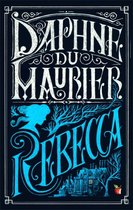
Section 1: Detailed Chapter Summaries
Chapter One: The Dream of Manderley
The novel opens with one of the most famous declarations in English literature:
"Last night I dreamt I went to Manderley again."
The narrator, who remains unnamed throughout the book, experiences a vivid dream in which
she returns to Manderley, the estate where she once lived. In the dream, she finds the iron
gates padlocked and chained, and the lodge-keeper's house abandoned and dark. Empowered
by the logic of dreams, she passes through the gates like a spirit.
As she walks up the drive, she notices that it has become narrow, unkempt, and choked with
grass and moss. Nature has aggressively reclaimed the estate:
"Nature had come into her own again and, little by little, in her stealthy, insidious way had
encroached upon the drive with long, tenacious fingers. The woods, always a menace even in
the past, had triumphed in the end."
Vast, uncontrolled woods throw out gnarled roots resembling "skeleton claws," and iconic
features of the past, like the famous blue-headed hydrangeas, have "gone native," growing ugly
and monstrous without blooms.
The narrator finally comes upon the house, which stands secretive and silent under the
moonlight. It retains its perfect symmetry, a grey stone structure looking "like a jewel in the
hollow of a hand." The terraced lawns stretch down to a silver, placid sea. The garden itself has
descended into "jungle law," with massive rhododendrons entwined with bracken, looking like
"poor, bastard things" that have entered into alien marriages with nameless shrubs. Invading ivy
and lanky nettles crawl up against the very windows of the house.
For a moment, the narrator's imagination tricks her into believing the house is still occupied and
alive. She imagines light spilling from the windows, a library door left half-open, a handkerchief
resting next to autumn roses, an unread copy of The Times, and their dog, Jasper, waiting on
the floor. However, a cloud hides the moon, extinguishing the illusion. She looks back at a
desolate, soulless shell, realizing that the house is a "sepulchre" where past fear and suffering
lie buried without hope of resurrection.
Waking up hundreds of miles away in a stark, unatmospheric foreign hotel room, she resolves
not to be bitter. She chooses instead to remember Manderley at its best—the peaceful rose
garden, the morning bird songs, and the Happy Valley. She keeps the dream to herself, noting
that "Manderley was ours no longer. Manderley was no more."
Chapter Two: The Reality of Exile
The narrator shifts to her waking reality, confirming that she and her husband can never go back
because the past remains too close. If they returned, the old sense of fear, "furtive unrest," and
blind panic would reappear as a living companion. She describes her husband—whom the
reader later learns is Maxim de Winter—as wonderfully patient. He never complains, but she
can tell when he is remembering the past. Suddenly, his expression will die away, replaced by a
cold, formal, lifeless mask. To distract himself from the pain, he will smoke cigarette after
cigarette and talk quickly about superficial topics.
The narrator reflects on the theory that suffering makes people stronger. She and her husband
have endured an "ordeal by fire" and paid a heavy price for their freedom. Now, they value
, peace and security above melodrama. They have no secrets from one another, and their
thoughts march in perfect unison. They deliberately live a simple, routine-oriented life in a dull,
cheap hotel to avoid meeting people from Maxim's past social circles.
To pass the time and ward off fear, the narrator reads aloud to Maxim. They depend heavily on
the English mail, eagerly consuming old sports scores, cricket matches, and news of minor
county competitions to stave off boredom. Reading articles about the English countryside brings
back vivid sensory memories of Manderley for the narrator—the smell of wet earth, moorland
peat, and the sound of wood pigeons.
She recalls a specific instance where reading an article about wood pigeons made her falter
because it brought back the memory of walking in Manderley’s deep woods. Seeing the grim,
grey look return to Maxim’s face, she quickly pivoted to a dry paragraph about cricket to pull him
back into repose. From that moment, she learned to keep the evocative, painful memories of
Manderley’s scents and sounds to herself as a "secret indulgence."
The narrator notes that she has changed dramatically over the years. Maxim's total dependence
on her has cured her of her old diffidence, timidity, and desperate gaucherie. She remembers
herself as she was when she first went to Manderley: a raw, inexperienced girl with straight,
bobbed hair and an unpowdered face, dressed in ill-fitting clothes. In those days, she traveled in
the wake of her wealthy, overbearing employer, Mrs. Van Hopper, like a "shy, uneasy colt."
The chapter closes with a memory of the ornate restaurant at the Hotel Côte d'Azur in Monte
Carlo, where Mrs. Van Hopper would use her lorgnette to aggressively judge fellow diners.
While Mrs. Van Hopper gorged on ravioli, the waiters treated the narrator with open indifference,
serving her an unappetizing plate of poorly carved ham and tongue. Looking away from her
employer, the narrator noticed that the adjacent table, vacant for days, was about to be
occupied by a new arrival. Mrs. Van Hopper immediately recognized him, dropped her lorgnette,
and exclaimed:
"It's Max de Winter... the man who owns Manderley. You've heard of it, of course. He looks ill,
doesn't he? They say he can't get over his wife's death..."
Chapter Three: The Ambush in Monte Carlo
The narrator reflects on how the entire course of her life hung upon Mrs. Van Hopper's snobbery
and insatiable curiosity. Mrs. Van Hopper made a habit of claiming famous people as her friends
and cornering them in the hotel lounge to force introductions. Often, she used the narrator as
bait to deliver messages or books to these unsuspecting notables.
On the afternoon following Maxim's arrival, Mrs. Van Hopper spots him in the hotel lounge.
Desperate to intercept him before he can escape, she orders the narrator to run upstairs and
fetch a letter from her nephew Billy, which contains honeymoon snapshots. The narrator resents
being used as a "juggler's assistant" in these social ambushes. She lingers in the room, wishing
she had the courage to use the service stairs to warn de Winter of the trap.
When the narrator returns to the lounge, she finds that Mrs. Van Hopper has already initiated a
bare-faced introduction and invited Maxim to sit on her sofa. Mrs. Van Hopper introduces the
narrator in a casual, dismissive tone designed to show that she is young and unimportant. To
the narrator's surprise, Maxim remains standing and insists on inviting both women to have
coffee with him, taking a seat next to them.
Mrs. Van Hopper immediately dominates the conversation, waving her nephew's photographs
and chattering about Palm Beach. Maxim responds politely but looks out of place against a
modern Florida backdrop. The narrator describes his arresting, sensitive face as "medieval,"
comparing him to an "Unknown Gentleman" in an Old Master portrait:
Chapter One: The Dream of Manderley
The novel opens with one of the most famous declarations in English literature:
"Last night I dreamt I went to Manderley again."
The narrator, who remains unnamed throughout the book, experiences a vivid dream in which
she returns to Manderley, the estate where she once lived. In the dream, she finds the iron
gates padlocked and chained, and the lodge-keeper's house abandoned and dark. Empowered
by the logic of dreams, she passes through the gates like a spirit.
As she walks up the drive, she notices that it has become narrow, unkempt, and choked with
grass and moss. Nature has aggressively reclaimed the estate:
"Nature had come into her own again and, little by little, in her stealthy, insidious way had
encroached upon the drive with long, tenacious fingers. The woods, always a menace even in
the past, had triumphed in the end."
Vast, uncontrolled woods throw out gnarled roots resembling "skeleton claws," and iconic
features of the past, like the famous blue-headed hydrangeas, have "gone native," growing ugly
and monstrous without blooms.
The narrator finally comes upon the house, which stands secretive and silent under the
moonlight. It retains its perfect symmetry, a grey stone structure looking "like a jewel in the
hollow of a hand." The terraced lawns stretch down to a silver, placid sea. The garden itself has
descended into "jungle law," with massive rhododendrons entwined with bracken, looking like
"poor, bastard things" that have entered into alien marriages with nameless shrubs. Invading ivy
and lanky nettles crawl up against the very windows of the house.
For a moment, the narrator's imagination tricks her into believing the house is still occupied and
alive. She imagines light spilling from the windows, a library door left half-open, a handkerchief
resting next to autumn roses, an unread copy of The Times, and their dog, Jasper, waiting on
the floor. However, a cloud hides the moon, extinguishing the illusion. She looks back at a
desolate, soulless shell, realizing that the house is a "sepulchre" where past fear and suffering
lie buried without hope of resurrection.
Waking up hundreds of miles away in a stark, unatmospheric foreign hotel room, she resolves
not to be bitter. She chooses instead to remember Manderley at its best—the peaceful rose
garden, the morning bird songs, and the Happy Valley. She keeps the dream to herself, noting
that "Manderley was ours no longer. Manderley was no more."
Chapter Two: The Reality of Exile
The narrator shifts to her waking reality, confirming that she and her husband can never go back
because the past remains too close. If they returned, the old sense of fear, "furtive unrest," and
blind panic would reappear as a living companion. She describes her husband—whom the
reader later learns is Maxim de Winter—as wonderfully patient. He never complains, but she
can tell when he is remembering the past. Suddenly, his expression will die away, replaced by a
cold, formal, lifeless mask. To distract himself from the pain, he will smoke cigarette after
cigarette and talk quickly about superficial topics.
The narrator reflects on the theory that suffering makes people stronger. She and her husband
have endured an "ordeal by fire" and paid a heavy price for their freedom. Now, they value
, peace and security above melodrama. They have no secrets from one another, and their
thoughts march in perfect unison. They deliberately live a simple, routine-oriented life in a dull,
cheap hotel to avoid meeting people from Maxim's past social circles.
To pass the time and ward off fear, the narrator reads aloud to Maxim. They depend heavily on
the English mail, eagerly consuming old sports scores, cricket matches, and news of minor
county competitions to stave off boredom. Reading articles about the English countryside brings
back vivid sensory memories of Manderley for the narrator—the smell of wet earth, moorland
peat, and the sound of wood pigeons.
She recalls a specific instance where reading an article about wood pigeons made her falter
because it brought back the memory of walking in Manderley’s deep woods. Seeing the grim,
grey look return to Maxim’s face, she quickly pivoted to a dry paragraph about cricket to pull him
back into repose. From that moment, she learned to keep the evocative, painful memories of
Manderley’s scents and sounds to herself as a "secret indulgence."
The narrator notes that she has changed dramatically over the years. Maxim's total dependence
on her has cured her of her old diffidence, timidity, and desperate gaucherie. She remembers
herself as she was when she first went to Manderley: a raw, inexperienced girl with straight,
bobbed hair and an unpowdered face, dressed in ill-fitting clothes. In those days, she traveled in
the wake of her wealthy, overbearing employer, Mrs. Van Hopper, like a "shy, uneasy colt."
The chapter closes with a memory of the ornate restaurant at the Hotel Côte d'Azur in Monte
Carlo, where Mrs. Van Hopper would use her lorgnette to aggressively judge fellow diners.
While Mrs. Van Hopper gorged on ravioli, the waiters treated the narrator with open indifference,
serving her an unappetizing plate of poorly carved ham and tongue. Looking away from her
employer, the narrator noticed that the adjacent table, vacant for days, was about to be
occupied by a new arrival. Mrs. Van Hopper immediately recognized him, dropped her lorgnette,
and exclaimed:
"It's Max de Winter... the man who owns Manderley. You've heard of it, of course. He looks ill,
doesn't he? They say he can't get over his wife's death..."
Chapter Three: The Ambush in Monte Carlo
The narrator reflects on how the entire course of her life hung upon Mrs. Van Hopper's snobbery
and insatiable curiosity. Mrs. Van Hopper made a habit of claiming famous people as her friends
and cornering them in the hotel lounge to force introductions. Often, she used the narrator as
bait to deliver messages or books to these unsuspecting notables.
On the afternoon following Maxim's arrival, Mrs. Van Hopper spots him in the hotel lounge.
Desperate to intercept him before he can escape, she orders the narrator to run upstairs and
fetch a letter from her nephew Billy, which contains honeymoon snapshots. The narrator resents
being used as a "juggler's assistant" in these social ambushes. She lingers in the room, wishing
she had the courage to use the service stairs to warn de Winter of the trap.
When the narrator returns to the lounge, she finds that Mrs. Van Hopper has already initiated a
bare-faced introduction and invited Maxim to sit on her sofa. Mrs. Van Hopper introduces the
narrator in a casual, dismissive tone designed to show that she is young and unimportant. To
the narrator's surprise, Maxim remains standing and insists on inviting both women to have
coffee with him, taking a seat next to them.
Mrs. Van Hopper immediately dominates the conversation, waving her nephew's photographs
and chattering about Palm Beach. Maxim responds politely but looks out of place against a
modern Florida backdrop. The narrator describes his arresting, sensitive face as "medieval,"
comparing him to an "Unknown Gentleman" in an Old Master portrait: