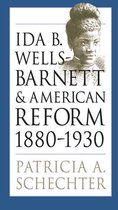
Ida B. Wells-Barnett and American Reform, 1880-1930 by Patricia Ann Schechter - Introduction
References
Footnotes - Patricia Ann Schechter, Ida B. Wells-Barnett and American Reform, 1880-1930, (Chapel Hill:
University of North Carolina Press, 2001), Chap. Introduction
Bibliography - Schechter, Patricia Ann. Ida B. Wells-Barnett and American Reform, 1880-1930. Chapel
Hill: University of North Carolina Press, 2001. Chap. Introduction
Notes and Quotes
- African American women were divided by the social environment of the early 20th century, as whilst all
women and African Americans had been enfranchised, segregation, lynching and JimCrow segregation
remained a prominent issue
- ‘African American women simultaneously tapped the promise of this ‘‘Woman’s Era’’ of female
achievement and endured the nadir of U.S. race relations’ - 1
- ‘In the area of gender expectations especially, WellsBarnett’s refusal either to be confined as a proper
lady or to be lightly dismissed as a rebel girl claimed a wider latitude for African American women’s
intellectual and social engagement than was possible ever before.’ - 2
- This insight demonstrates that the start of the twentieth century was a type of individualised social
change, where people would explore their newfound freedoms in society, thus creating movements
along the way
- ‘‘‘Visionary’’ links Wells-Barnett to the prophetic traditions in African American religion documented by
Cornel West and others. ‘‘Pragmatism’’ locates her in both the intellectual ferment of turn-of-the-century
Chicago as well as in black women’s legacy of ‘‘making a way out of no way’’ for themselves, their
families, and communities forged under slavery’ - 3
- ‘In Wells-Barnett’s hands, visionary pragmatism entailed a distinctive view of self and service designed
for personal survival and social contestation, for God and for community, and for rights and
responsibilities for all U.S. citizens’ - 3
- Idea that black women were using the tools of religion and self motivation to advance their position
in society
- The worsening issue of lynchings in the late 19th century encouraged wells-barnet to ultimately begin a
transatlantic campaign against lynching
- ‘By 1900, the space for black women in national leadership had shrunk, and Wells-Barnett’s vision of a
broad-based social movement to end lynching failed to materialize.‘ - 4
- Demonstrates the hardships faced in the ongoing struggle for African American women’s rights as a
result of a lack of support from those who viewed Black women who were vocal about this issue as
out of place and not worthy of support
- Wells-Barnett established the Negro Fellowship League in 1910 which ‘grew directly out of Wells-
Barnett’s Sunday school teaching and represents a vivid example of southern black women’s
community-building strategies transplanted to a northern urban context’ - 4-5
- This demonstrates the initiative of Black women who migrated north in order to seek a new life away
from the brutality of the Jim Crow segregation and lynchings in the south
- ‘In Chicago, African American women claimed a place of their own in public life as agents of the state,
as shapers rather than recipients of political power, and not just as voters but as party activists and
candidates for elective and appointive office.’ - 5
- This illustrates that prior to their enfranchisement, black women were able to find a position in the
political sphere influencing the vote in other ways, such as campaigning for the men in their
communities to vote the way they saw fit
, Overview of Points
- African American women had become enfranchised, whilst also facing continuing segregation and racial
violence
- Wells-Barnett created social movements to seek her freedom
- Northern migration occurred to escape Jim Crow
Arguments
- Black women’s rights did not follow a linear path, as there were periods of fluctuation in the support
from other areas of society, preventing the movement from achieving their desired goals
- Black women used tactics such as campaigning in their communities to ensure that they had a political
voice prior to their enfranchisement
Ida B. Wells-Barnett and American Reform, 1880-1930 by Patricia Ann Schechter - Chapter 1
References
Footnotes - Patricia Ann Schechter, Ida B. Wells-Barnett and American Reform, 1880-1930, (Chapel Hill:
University of North Carolina Press, 2001), Chap.1
References - Schechter, Patricia Ann. Ida B. Wells-Barnett and American Reform, 1880-1930. Chapel Hill:
University of North Carolina Press, 2001. Chap.1
Notes and Quotes
- ‘Her father, Jim Wells, was the son of his white master and a slave woman named Peggy.’ - 11
- This provides important racial background as later in her life she would be accused of not being black
enough as a result of her mixed race heritage
- ‘In contrast to the transcendent ideals found in much of Christian thought, Wells linked religious
principles to worldly social relationships and faith in God to everyday needs’ - 13
- This demonstrates that although religion underpinned Wells’ ideas and actions, she was using the
principles taught in religion to form the movement rather than just using prayer
- ‘Like the prophets’ passion for Zion, Wells’s visionary pragmatism was shaped by a righteous rage that
was also part of the work of love’ - 14
- Again this demonstrates that Wells was implementing the practical teachings of christianity into her
movement, as well as channeling the anger felt within the black community in such a way as to are
progress rather than continue to be punished
- ‘Wells fretted over expressing anger and derided her literary ambition because anger and ambition
were transgressive and stigmatized emotions for middle-class women in her era’ - 14
- This point illustrates the extent to which gender and race were entwined as limiting factors in society,
with black women facing oppression through two channels. The idea of ambition being a stigmatised
attribute of women perhaps suggests that white men were more threatened by black women who
were campaigning than black men, as they had previously been easily controlled and oppressed
- ‘Like their enslaved foremothers, freedwomen evinced a deep concern with personal safety and bodily
integrity’ - 15
- The idea here of physical degradation of women demonstrates the visceral nature of black female
oppression in the American south. Furthermore it shows that southern white supremacists were
unable to find any justification for their actions, turning to shaming the physical attributes of black
people in order to other them in society
References
Footnotes - Patricia Ann Schechter, Ida B. Wells-Barnett and American Reform, 1880-1930, (Chapel Hill:
University of North Carolina Press, 2001), Chap. Introduction
Bibliography - Schechter, Patricia Ann. Ida B. Wells-Barnett and American Reform, 1880-1930. Chapel
Hill: University of North Carolina Press, 2001. Chap. Introduction
Notes and Quotes
- African American women were divided by the social environment of the early 20th century, as whilst all
women and African Americans had been enfranchised, segregation, lynching and JimCrow segregation
remained a prominent issue
- ‘African American women simultaneously tapped the promise of this ‘‘Woman’s Era’’ of female
achievement and endured the nadir of U.S. race relations’ - 1
- ‘In the area of gender expectations especially, WellsBarnett’s refusal either to be confined as a proper
lady or to be lightly dismissed as a rebel girl claimed a wider latitude for African American women’s
intellectual and social engagement than was possible ever before.’ - 2
- This insight demonstrates that the start of the twentieth century was a type of individualised social
change, where people would explore their newfound freedoms in society, thus creating movements
along the way
- ‘‘‘Visionary’’ links Wells-Barnett to the prophetic traditions in African American religion documented by
Cornel West and others. ‘‘Pragmatism’’ locates her in both the intellectual ferment of turn-of-the-century
Chicago as well as in black women’s legacy of ‘‘making a way out of no way’’ for themselves, their
families, and communities forged under slavery’ - 3
- ‘In Wells-Barnett’s hands, visionary pragmatism entailed a distinctive view of self and service designed
for personal survival and social contestation, for God and for community, and for rights and
responsibilities for all U.S. citizens’ - 3
- Idea that black women were using the tools of religion and self motivation to advance their position
in society
- The worsening issue of lynchings in the late 19th century encouraged wells-barnet to ultimately begin a
transatlantic campaign against lynching
- ‘By 1900, the space for black women in national leadership had shrunk, and Wells-Barnett’s vision of a
broad-based social movement to end lynching failed to materialize.‘ - 4
- Demonstrates the hardships faced in the ongoing struggle for African American women’s rights as a
result of a lack of support from those who viewed Black women who were vocal about this issue as
out of place and not worthy of support
- Wells-Barnett established the Negro Fellowship League in 1910 which ‘grew directly out of Wells-
Barnett’s Sunday school teaching and represents a vivid example of southern black women’s
community-building strategies transplanted to a northern urban context’ - 4-5
- This demonstrates the initiative of Black women who migrated north in order to seek a new life away
from the brutality of the Jim Crow segregation and lynchings in the south
- ‘In Chicago, African American women claimed a place of their own in public life as agents of the state,
as shapers rather than recipients of political power, and not just as voters but as party activists and
candidates for elective and appointive office.’ - 5
- This illustrates that prior to their enfranchisement, black women were able to find a position in the
political sphere influencing the vote in other ways, such as campaigning for the men in their
communities to vote the way they saw fit
, Overview of Points
- African American women had become enfranchised, whilst also facing continuing segregation and racial
violence
- Wells-Barnett created social movements to seek her freedom
- Northern migration occurred to escape Jim Crow
Arguments
- Black women’s rights did not follow a linear path, as there were periods of fluctuation in the support
from other areas of society, preventing the movement from achieving their desired goals
- Black women used tactics such as campaigning in their communities to ensure that they had a political
voice prior to their enfranchisement
Ida B. Wells-Barnett and American Reform, 1880-1930 by Patricia Ann Schechter - Chapter 1
References
Footnotes - Patricia Ann Schechter, Ida B. Wells-Barnett and American Reform, 1880-1930, (Chapel Hill:
University of North Carolina Press, 2001), Chap.1
References - Schechter, Patricia Ann. Ida B. Wells-Barnett and American Reform, 1880-1930. Chapel Hill:
University of North Carolina Press, 2001. Chap.1
Notes and Quotes
- ‘Her father, Jim Wells, was the son of his white master and a slave woman named Peggy.’ - 11
- This provides important racial background as later in her life she would be accused of not being black
enough as a result of her mixed race heritage
- ‘In contrast to the transcendent ideals found in much of Christian thought, Wells linked religious
principles to worldly social relationships and faith in God to everyday needs’ - 13
- This demonstrates that although religion underpinned Wells’ ideas and actions, she was using the
principles taught in religion to form the movement rather than just using prayer
- ‘Like the prophets’ passion for Zion, Wells’s visionary pragmatism was shaped by a righteous rage that
was also part of the work of love’ - 14
- Again this demonstrates that Wells was implementing the practical teachings of christianity into her
movement, as well as channeling the anger felt within the black community in such a way as to are
progress rather than continue to be punished
- ‘Wells fretted over expressing anger and derided her literary ambition because anger and ambition
were transgressive and stigmatized emotions for middle-class women in her era’ - 14
- This point illustrates the extent to which gender and race were entwined as limiting factors in society,
with black women facing oppression through two channels. The idea of ambition being a stigmatised
attribute of women perhaps suggests that white men were more threatened by black women who
were campaigning than black men, as they had previously been easily controlled and oppressed
- ‘Like their enslaved foremothers, freedwomen evinced a deep concern with personal safety and bodily
integrity’ - 15
- The idea here of physical degradation of women demonstrates the visceral nature of black female
oppression in the American south. Furthermore it shows that southern white supremacists were
unable to find any justification for their actions, turning to shaming the physical attributes of black
people in order to other them in society