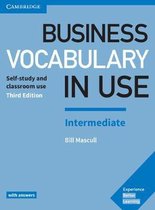
English Vocabulary
Chapter 1
Work for: to be an employee of some person, group, or organization.
Work on: to be in the process of repairing, adjusting, or refurbishing something.
Run: to be in control of something.
Manage: to be responsible for controlling or organizing someone or something, especially a business or employees.
Work under: you have a job that is smaller than your manager. You work under your manager.
Responsibilities: something that it is your job or duty to deal with.
In charge of: responsible for someone or something
Deal with: to talk to someone or meet someone, especially as part of your job:
Responsible for: to have control and authority over something or someone and the duty of taking care of it, him, or her.
Work with: you work with someone or something.
Work: the place where you do your job.
Have work: you have a job.
In work: you have a job.
Out of work: you have no job.
For work: you do something, for example leaving home, for work.
Get to/arrive at: to be/go somewhere at a time or place.
At work: doing a job.
Time off work: a period of time when you do not work because of illness or holidays, or because your employer has given
you permission to do something else.
Full-time job: a job that has the minimum number of 35 hours a week.
Part-time job: a job that has less than 35 hours a week.
Permanent job: a job that doesn’t finish after a fixed period.
Temporary job: a job that finishes after a fixed period.
Chapter 2:
Office worker: a person who does their job in an office rather than a factory.
Nine-to-five (job): someone who works from 9 am to 5 pm.
Working hours: the amount of time someone spends at work during a day.
Swipe card: a plastic card that you slide through a machine in order to be allowed into a building, pay for something.
Flexitime: you can work when you want within certain limits. As long as you do enough hours every month.
Shifts: You work different times each week. Sometimes you work at night and sometimes during the day.
Clock on: to record the time you arrive at work on a special machine.
Clock off: to leave work, especially by recording the time you leave on a special machine.
Day shift: you are working on the day period.
Night shift: you are working on the night period.
Overtime: you work more hours than usual for more money.
Commute: to make the same journey regularly between work and home.
Work from home: doing your work at home.
Commuters: people who travel to and from their work.
Teleworking: working from home and using the computer and phone to communicate.
Telecommuting: working from home and using the computer and phone to cummunicate.
Satisfying, stimulating, fascinating, exciting: the work is interesting and gives you positive feelings.
Dull, boring, uninteresting, unstimulating: the work is not interesting.
Repetitive, routine: the work involves doing the same things again and again.
Tiring, tough, hard, demanding: the work is difficult and makes you tired.
Chapter 3:
Recruitment: the proces of finding people for particular jobs.
Hiring: the proces of finding people for particular jobs.
Recruited: someone who has been persuaded to work for a company or becomes a new member of an organization.
Recruit: to persuade someone to work for a company or become a new member of an organization.
Hire: to employ someone to do a particular job.
Employs: to pay someone to work or do a job for you.
Hires: to pay someone to work or do a job for you.
Recruiters: a person who persuades people to work for a company or become a new member of an organization.
Recruitment agencies: a business that is paid to find suitable workers for other companies and organizations.
Employment agencies: a business that helps people to find suitable jobs or companies to find suitable employees.
Headhunters: outside specialists who will be used to find people for very important jobs and to persuade them to leave the
organizations they already work for.
Headhunted: you have been persuaded by someone to leave your job by offering another job with a higher position/salary.
, Headhunting: a proces of recruitment of a prospective employee who is working somewhere else.
Situations vacant: the title of a column or page in a newspaper where jobs are advertised.
Applied for: writing a letter or fill in a form to apply for a job.
Application form: a form that you complete in order to apply for a job.
Jobs website: a website that is designed to allow employers to post job requirements for a position to be filled.
Made an application: you made an official request for something/a job.
CV (curriculum vitae): a document that describes your education, qualifications and previous jobs, that you send to a
prospective employer.
Covering letter: a letter where you explain why you want the job and why you are the right person for it.
Selection proces: the proces of selection of the right person for the right job.
Backgrounds: your experience of different jobs and educational qualifications.
Applicants: a person who formally requests something. (especially for a job)
Experience: the process of getting) knowledge or skill from doing, seeing, or feeling things.
Qualifications: an official record showing that you have finished a training course or have the necessary skills.
Candidates: a person who is competing to get a job or elected position.
Group discussion: a discussion involving a number of people who are connected by some shared activity, interest, or
quality.
Interviews: a meeting in which someone asks you questions to see if you are suitable for a job or course.
Psychometric tests: a test that is designed to show someone's personality, mental ability, opinions, etc. often used
by companies when they are deciding whether or not to employ someone.
Shortlist: a list of a small number of people or things that have been selected from a larger group and are being considered
to receive an award, to get a job, etc.
References: someone or something mentioned that tells you who to speak to and where to look for more information.
Referees: a person who knows you and who is willing to describe and praise you, in order to support you when you
are trying to get a job.
Offer: to ask someone if they would like to have or do something.
Turn it down: you refuse a request or an offer.
Job offers: an offer from an employer to give you a job.
Accept: to agree to take something.
Appoint: to choose something officially for a job or responsibility.
Chapter 4:
Graduates: people who have just left university.
Paper qualifications: a certificate confirming someone's achievement in a course of study or training.
Qualifications in: an ability, characteristic, or experience that makes you suitable for a particular job or activity.
Work experience: the experience that a person already has of working.
Train for: to prepare yourself/someone for a job.
Graduated from: successfully complete your schooling.
Degree in: the qualification given to a student after he or she has completed his or her studies.
Training in: the proces of learning skills to do a particular job or activity.
Train as: preparing yourself for a job or activity.
Qualify as: successfully finish a training course to have the necessary skills for a job.
In-house-training: courses within the company.
Management development: managers regularly go on specialized courses in leadership.
Go on: to happen.
Courses: a set of classes or a plan of study on a particular subject.
Acquire experience: get knowledge through doing things.
Skill: a particular ability to do something well, especially because you have learned and practised it.
Methodical, systematic, organized: working in a planned, orderly way.
Computer-literate: good with computers.
Numerate: good with numbers.
Motivated: very keen to do well in their job because they find it interesting.
Talented: very good at what they do.
Self-starters, proactive, self-motivated, self-driven: good at working on their own.
Team players: people who work well with other people.
Chapter 5
Salary: the money that someone is paid each month by their employer.
Overtime: work a lot of extra hours.
Perks: something extra, such as money or goods, because of your job.
Earn: to receive money as payment for work that you do.
Wages: the money earned by an employee.
Minimum wage: the lowest amount of money allowed by law.
Chapter 1
Work for: to be an employee of some person, group, or organization.
Work on: to be in the process of repairing, adjusting, or refurbishing something.
Run: to be in control of something.
Manage: to be responsible for controlling or organizing someone or something, especially a business or employees.
Work under: you have a job that is smaller than your manager. You work under your manager.
Responsibilities: something that it is your job or duty to deal with.
In charge of: responsible for someone or something
Deal with: to talk to someone or meet someone, especially as part of your job:
Responsible for: to have control and authority over something or someone and the duty of taking care of it, him, or her.
Work with: you work with someone or something.
Work: the place where you do your job.
Have work: you have a job.
In work: you have a job.
Out of work: you have no job.
For work: you do something, for example leaving home, for work.
Get to/arrive at: to be/go somewhere at a time or place.
At work: doing a job.
Time off work: a period of time when you do not work because of illness or holidays, or because your employer has given
you permission to do something else.
Full-time job: a job that has the minimum number of 35 hours a week.
Part-time job: a job that has less than 35 hours a week.
Permanent job: a job that doesn’t finish after a fixed period.
Temporary job: a job that finishes after a fixed period.
Chapter 2:
Office worker: a person who does their job in an office rather than a factory.
Nine-to-five (job): someone who works from 9 am to 5 pm.
Working hours: the amount of time someone spends at work during a day.
Swipe card: a plastic card that you slide through a machine in order to be allowed into a building, pay for something.
Flexitime: you can work when you want within certain limits. As long as you do enough hours every month.
Shifts: You work different times each week. Sometimes you work at night and sometimes during the day.
Clock on: to record the time you arrive at work on a special machine.
Clock off: to leave work, especially by recording the time you leave on a special machine.
Day shift: you are working on the day period.
Night shift: you are working on the night period.
Overtime: you work more hours than usual for more money.
Commute: to make the same journey regularly between work and home.
Work from home: doing your work at home.
Commuters: people who travel to and from their work.
Teleworking: working from home and using the computer and phone to communicate.
Telecommuting: working from home and using the computer and phone to cummunicate.
Satisfying, stimulating, fascinating, exciting: the work is interesting and gives you positive feelings.
Dull, boring, uninteresting, unstimulating: the work is not interesting.
Repetitive, routine: the work involves doing the same things again and again.
Tiring, tough, hard, demanding: the work is difficult and makes you tired.
Chapter 3:
Recruitment: the proces of finding people for particular jobs.
Hiring: the proces of finding people for particular jobs.
Recruited: someone who has been persuaded to work for a company or becomes a new member of an organization.
Recruit: to persuade someone to work for a company or become a new member of an organization.
Hire: to employ someone to do a particular job.
Employs: to pay someone to work or do a job for you.
Hires: to pay someone to work or do a job for you.
Recruiters: a person who persuades people to work for a company or become a new member of an organization.
Recruitment agencies: a business that is paid to find suitable workers for other companies and organizations.
Employment agencies: a business that helps people to find suitable jobs or companies to find suitable employees.
Headhunters: outside specialists who will be used to find people for very important jobs and to persuade them to leave the
organizations they already work for.
Headhunted: you have been persuaded by someone to leave your job by offering another job with a higher position/salary.
, Headhunting: a proces of recruitment of a prospective employee who is working somewhere else.
Situations vacant: the title of a column or page in a newspaper where jobs are advertised.
Applied for: writing a letter or fill in a form to apply for a job.
Application form: a form that you complete in order to apply for a job.
Jobs website: a website that is designed to allow employers to post job requirements for a position to be filled.
Made an application: you made an official request for something/a job.
CV (curriculum vitae): a document that describes your education, qualifications and previous jobs, that you send to a
prospective employer.
Covering letter: a letter where you explain why you want the job and why you are the right person for it.
Selection proces: the proces of selection of the right person for the right job.
Backgrounds: your experience of different jobs and educational qualifications.
Applicants: a person who formally requests something. (especially for a job)
Experience: the process of getting) knowledge or skill from doing, seeing, or feeling things.
Qualifications: an official record showing that you have finished a training course or have the necessary skills.
Candidates: a person who is competing to get a job or elected position.
Group discussion: a discussion involving a number of people who are connected by some shared activity, interest, or
quality.
Interviews: a meeting in which someone asks you questions to see if you are suitable for a job or course.
Psychometric tests: a test that is designed to show someone's personality, mental ability, opinions, etc. often used
by companies when they are deciding whether or not to employ someone.
Shortlist: a list of a small number of people or things that have been selected from a larger group and are being considered
to receive an award, to get a job, etc.
References: someone or something mentioned that tells you who to speak to and where to look for more information.
Referees: a person who knows you and who is willing to describe and praise you, in order to support you when you
are trying to get a job.
Offer: to ask someone if they would like to have or do something.
Turn it down: you refuse a request or an offer.
Job offers: an offer from an employer to give you a job.
Accept: to agree to take something.
Appoint: to choose something officially for a job or responsibility.
Chapter 4:
Graduates: people who have just left university.
Paper qualifications: a certificate confirming someone's achievement in a course of study or training.
Qualifications in: an ability, characteristic, or experience that makes you suitable for a particular job or activity.
Work experience: the experience that a person already has of working.
Train for: to prepare yourself/someone for a job.
Graduated from: successfully complete your schooling.
Degree in: the qualification given to a student after he or she has completed his or her studies.
Training in: the proces of learning skills to do a particular job or activity.
Train as: preparing yourself for a job or activity.
Qualify as: successfully finish a training course to have the necessary skills for a job.
In-house-training: courses within the company.
Management development: managers regularly go on specialized courses in leadership.
Go on: to happen.
Courses: a set of classes or a plan of study on a particular subject.
Acquire experience: get knowledge through doing things.
Skill: a particular ability to do something well, especially because you have learned and practised it.
Methodical, systematic, organized: working in a planned, orderly way.
Computer-literate: good with computers.
Numerate: good with numbers.
Motivated: very keen to do well in their job because they find it interesting.
Talented: very good at what they do.
Self-starters, proactive, self-motivated, self-driven: good at working on their own.
Team players: people who work well with other people.
Chapter 5
Salary: the money that someone is paid each month by their employer.
Overtime: work a lot of extra hours.
Perks: something extra, such as money or goods, because of your job.
Earn: to receive money as payment for work that you do.
Wages: the money earned by an employee.
Minimum wage: the lowest amount of money allowed by law.