Anthro 321
Dr. Bowser
06/12/2017
Essay 2
The Oxford Dictionaries define the term cultural relativism as, “the theory that beliefs,
customs, and morality exist in relation to the particular culture from which they originate and are
not absolute.” The more one studies cultural anthropology, the sooner they realize how crucial
this definition is. However, to the people that lack this acceptance, certain traditions practiced by
foreign societies may not only be strange and confusing, but also difficult to appreciate.
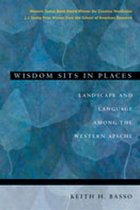
As I read through an engaging chapter called, “Quoting the Ancestors,” from the book
Wisdom Sits in Places by Keith H. Basso (1996), I was promptly struck by the differences in
historical reporting between my own culture, and the Apache people, or Ndee as they would refer
to themselves. Using a completely unusual (to me) approach, the Apache partake in something
called place-making which can be done by anyone, anywhere, at any time. It is as simple as
letting your imagination run, and verbalizing these visions is a key part of Apache culture.
In the chapter, Basso describes a time he spent in Arizona with two Apache men named
Charles Henry and Morley Cromwell in the summer of 1979. With the goal of making the first
ever official Apache map, the three men toured the land where the Ndee ancestors first settled.
Charles acted as the main guide, providing the names of the different areas, and describing them
in animated detail using the strategy known best to their culture, place-making. With names like
Lizards Dart Away In Front, Children’s Footprints, and Green Rocks Side By Side Jut Down
Into Water, a unique perspective was given into the eyes of the ancestors that named them.
Dr. Bowser
06/12/2017
Essay 2
The Oxford Dictionaries define the term cultural relativism as, “the theory that beliefs,
customs, and morality exist in relation to the particular culture from which they originate and are
not absolute.” The more one studies cultural anthropology, the sooner they realize how crucial
this definition is. However, to the people that lack this acceptance, certain traditions practiced by
foreign societies may not only be strange and confusing, but also difficult to appreciate.
As I read through an engaging chapter called, “Quoting the Ancestors,” from the book
Wisdom Sits in Places by Keith H. Basso (1996), I was promptly struck by the differences in
historical reporting between my own culture, and the Apache people, or Ndee as they would refer
to themselves. Using a completely unusual (to me) approach, the Apache partake in something
called place-making which can be done by anyone, anywhere, at any time. It is as simple as
letting your imagination run, and verbalizing these visions is a key part of Apache culture.
In the chapter, Basso describes a time he spent in Arizona with two Apache men named
Charles Henry and Morley Cromwell in the summer of 1979. With the goal of making the first
ever official Apache map, the three men toured the land where the Ndee ancestors first settled.
Charles acted as the main guide, providing the names of the different areas, and describing them
in animated detail using the strategy known best to their culture, place-making. With names like
Lizards Dart Away In Front, Children’s Footprints, and Green Rocks Side By Side Jut Down
Into Water, a unique perspective was given into the eyes of the ancestors that named them.