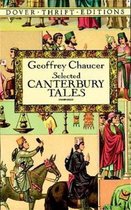
The Canterbury tales
One spring day, the Narrator of The Canterbury Tales rents a room at the Tabard
Inn before he recommences his journey to Canterbury. That evening, a group of
people arrive at the inn, all of whom are also going to Canterbury to receive the
blessings of "the holy blissful martyr," St. Thomas à Becket. Calling themselves
"pilgrims" because of their destination, they accept the Narrator into their company.
The Narrator describes his newfound traveling companions.
The Host at the inn, Harry Bailey, suggests that, to make the trip to Canterbury
pass more pleasantly, each member of the party tell two tales on the journey to
Canterbury and two more tales on the journey back. The person who tells the best
story will be rewarded with a sumptuous dinner paid for by the other members of
the party. The Host decides to accompany the pilgrims to Canterbury and serve as
the judge of the tales.
Analysis
The primary function of these opening lines is to provide a physical setting and the
motivation for the Canterbury pilgrimage. Chaucer's original plan, to have each
pilgrim tell two stories on the way to Canterbury and two more on the way back,
was never completed; we have tales only on the way to Canterbury. In The
Prologue are portraits of all levels of English life. The order of the portraits is
important because it provides a clue as to the social standing of the different
occupations. The pilgrims presented first are representative of the highest social
rank, with social rank descending with every new pilgrim introduced.
Highest in the social rank are representatives of the aristocracy or those with
pretensions toward nobility. First in this group are the Knight and his household,
including the Squire. The second group within those of the highest social standing
includes the Prioress, the Monk, and the Friar, who ought to be of the lower class,
but who, as a pious beggar, has begged so well that his prosperity ironically slips
him into the company of the nobles. Of these pilgrims, probably only the Knight and
his son, the Squire, qualify as true aristocrats, both outwardly and inwardly. The
"gentilesse" — refinement resulting from good breeding — of the Prioress and the
Monk is largely external and affected.
Following this class are pilgrims whose high social rank is mainly derived from
commercial wealth. Included in this group are the Merchant, who illegally made
much of his money from selling French coins (a practice that was forbidden in
England at the time); the Sergeant of Law, who made his fortune by using his
knowledge as a lawyer to buy up foreclosed property for practically nothing; the
Clerk, who belongs with this group of pilgrims because of his gentle manners and
extensive knowledge of books; and the Franklin, who made enough money to
become a country gentleman and is in a position to push for a noble station. (It is
evident both from the relationship of the Franklin's portrait to that of the guildsmen,
, presented next, and from Harry Bailey's scornful remarks to him, however, that he
is not yet of the noble class).
The next class of pilgrims is the guildsmen, consisting of men who belong to
something similar to specialized unions of craftsmen guilds. Among this group of
specialized laborers are the Haberdasher, the Dyer, the Carpenter, the Weaver,
and the Tapestry-Maker. None of them tell a tale.
A middle-class group of pilgrims comprises the next lower position of social rank.
First presented in this group is the Cook, whom we might consider out of place —
ranked too high — but who, as a master of his trade, is greatly respected by his
fellow travelers. Also included in this social class are the Shipman, because of his
immense knowledge of and travels throughout the world, and the Physician, a
doctor of medicine (a career that was less revered in the Middle Ages than it is
now). The Wife of Bath, who is the last of this group to be presented, is included in
this group because of her knowledge and deportment and her many other
pilgrimages.
The Parson and the Plowman comprise the next group of pilgrims, the virtuous
poor or lower class. Each, although very poor, represents all of the Christian
virtues.
The last group of pilgrims include those of the immoral lower class. Among this
group of pilgrims are the Manciple, who profits from buying food for the lawyers in
the Inns of Court, and the vulgar Miller, who steals from his customers. The Reeve
tells dirty stories and cheats his trusting young master, and the corrupt Summoner
takes bribes. Last, and most corrupt in this litany of undesirables is the Pardoner,
who sells false pardons and fake relics.
Theme #1
Social Satire
Social satire is the major theme of The Canterbury Tales. The medieval
society was set on three foundations: the nobility, the church, and the
peasantry. Chaucer’s satire targets all segments of the medieval social
issues, human immorality, and depraved heart. For example, he exposes
each social layers of his pilgrims and beautifully illustrates how they fail to
fulfill their actual duties. He further shows the theme of social satire in The
Nun’s Priest’s Tale that satirizes courtly love and sets aside standard of
dignity. The Wife of Bath’s Tale mocks the religious logic as the wife
interprets The Bible verses in her own way to support her argument.
One spring day, the Narrator of The Canterbury Tales rents a room at the Tabard
Inn before he recommences his journey to Canterbury. That evening, a group of
people arrive at the inn, all of whom are also going to Canterbury to receive the
blessings of "the holy blissful martyr," St. Thomas à Becket. Calling themselves
"pilgrims" because of their destination, they accept the Narrator into their company.
The Narrator describes his newfound traveling companions.
The Host at the inn, Harry Bailey, suggests that, to make the trip to Canterbury
pass more pleasantly, each member of the party tell two tales on the journey to
Canterbury and two more tales on the journey back. The person who tells the best
story will be rewarded with a sumptuous dinner paid for by the other members of
the party. The Host decides to accompany the pilgrims to Canterbury and serve as
the judge of the tales.
Analysis
The primary function of these opening lines is to provide a physical setting and the
motivation for the Canterbury pilgrimage. Chaucer's original plan, to have each
pilgrim tell two stories on the way to Canterbury and two more on the way back,
was never completed; we have tales only on the way to Canterbury. In The
Prologue are portraits of all levels of English life. The order of the portraits is
important because it provides a clue as to the social standing of the different
occupations. The pilgrims presented first are representative of the highest social
rank, with social rank descending with every new pilgrim introduced.
Highest in the social rank are representatives of the aristocracy or those with
pretensions toward nobility. First in this group are the Knight and his household,
including the Squire. The second group within those of the highest social standing
includes the Prioress, the Monk, and the Friar, who ought to be of the lower class,
but who, as a pious beggar, has begged so well that his prosperity ironically slips
him into the company of the nobles. Of these pilgrims, probably only the Knight and
his son, the Squire, qualify as true aristocrats, both outwardly and inwardly. The
"gentilesse" — refinement resulting from good breeding — of the Prioress and the
Monk is largely external and affected.
Following this class are pilgrims whose high social rank is mainly derived from
commercial wealth. Included in this group are the Merchant, who illegally made
much of his money from selling French coins (a practice that was forbidden in
England at the time); the Sergeant of Law, who made his fortune by using his
knowledge as a lawyer to buy up foreclosed property for practically nothing; the
Clerk, who belongs with this group of pilgrims because of his gentle manners and
extensive knowledge of books; and the Franklin, who made enough money to
become a country gentleman and is in a position to push for a noble station. (It is
evident both from the relationship of the Franklin's portrait to that of the guildsmen,
, presented next, and from Harry Bailey's scornful remarks to him, however, that he
is not yet of the noble class).
The next class of pilgrims is the guildsmen, consisting of men who belong to
something similar to specialized unions of craftsmen guilds. Among this group of
specialized laborers are the Haberdasher, the Dyer, the Carpenter, the Weaver,
and the Tapestry-Maker. None of them tell a tale.
A middle-class group of pilgrims comprises the next lower position of social rank.
First presented in this group is the Cook, whom we might consider out of place —
ranked too high — but who, as a master of his trade, is greatly respected by his
fellow travelers. Also included in this social class are the Shipman, because of his
immense knowledge of and travels throughout the world, and the Physician, a
doctor of medicine (a career that was less revered in the Middle Ages than it is
now). The Wife of Bath, who is the last of this group to be presented, is included in
this group because of her knowledge and deportment and her many other
pilgrimages.
The Parson and the Plowman comprise the next group of pilgrims, the virtuous
poor or lower class. Each, although very poor, represents all of the Christian
virtues.
The last group of pilgrims include those of the immoral lower class. Among this
group of pilgrims are the Manciple, who profits from buying food for the lawyers in
the Inns of Court, and the vulgar Miller, who steals from his customers. The Reeve
tells dirty stories and cheats his trusting young master, and the corrupt Summoner
takes bribes. Last, and most corrupt in this litany of undesirables is the Pardoner,
who sells false pardons and fake relics.
Theme #1
Social Satire
Social satire is the major theme of The Canterbury Tales. The medieval
society was set on three foundations: the nobility, the church, and the
peasantry. Chaucer’s satire targets all segments of the medieval social
issues, human immorality, and depraved heart. For example, he exposes
each social layers of his pilgrims and beautifully illustrates how they fail to
fulfill their actual duties. He further shows the theme of social satire in The
Nun’s Priest’s Tale that satirizes courtly love and sets aside standard of
dignity. The Wife of Bath’s Tale mocks the religious logic as the wife
interprets The Bible verses in her own way to support her argument.