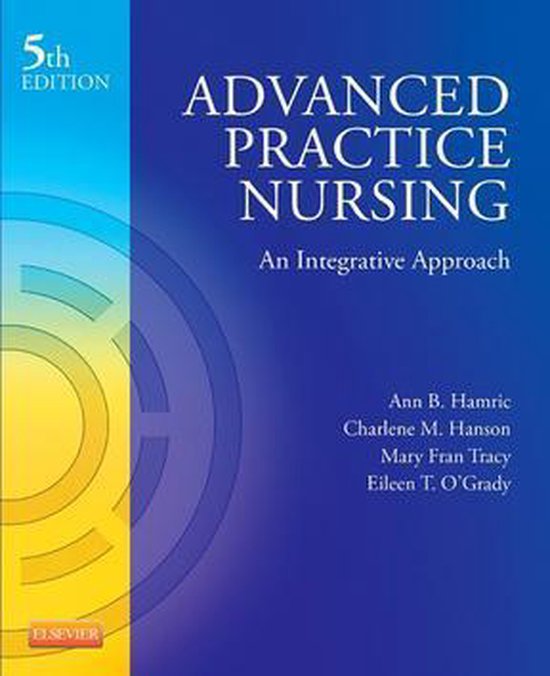
NR 506NP Week 2 Discussion Organizational Change
and Ethical-Legal Influences in Advanced Practice
Nursing Case Study 2024 SPRING –SUMMER CITED AND
REFERENCED
Power - ANSWER: the capacity to control the behavior of others
Coercive power - ANSWER: based on penalties or punishments
Reward power - ANSWER: deliver something of value to others (tangible or
intangible)
Legitimate power - ANSWER: resides in the position
Expert power - ANSWER: knowledge, skills, education
Referent (role model) power - ANSWER: rests on admiration of another person
Hard power - ANSWER: linked to organizational position (coercive, reward,
legitimate) and is more dangerous than soft power
Soft power - ANSWER: linked to the person (expert, referent)
Concentration of power - ANSWER: produces unethical behavior
Power corrupts - ANSWER: absolute power corrupts absolutely
Powerlessness - ANSWER: poses ethical dilemmas; the powerless cannot focus on
ethical objectives if they feel they have no control over their environments
Psychological empowerment - ANSWER: the increased motivation to carry out tasks
associated with work roles
Factor 1: Meaning - ANSWER: values placed on the task
Factor 2: Competence - ANSWER: belief that can do the job required
Factor 3: Self-determination - ANSWER: choice over how to carry out the task,
autonomy
Factor 4: Impact - ANSWER: extent of influence over the larger organizational
environment
Negative politics - ANSWER: self-centered, controlling, manipulative; win at all costs;
violates ethical standards; focus on efficiency
and Ethical-Legal Influences in Advanced Practice
Nursing Case Study 2024 SPRING –SUMMER CITED AND
REFERENCED
Power - ANSWER: the capacity to control the behavior of others
Coercive power - ANSWER: based on penalties or punishments
Reward power - ANSWER: deliver something of value to others (tangible or
intangible)
Legitimate power - ANSWER: resides in the position
Expert power - ANSWER: knowledge, skills, education
Referent (role model) power - ANSWER: rests on admiration of another person
Hard power - ANSWER: linked to organizational position (coercive, reward,
legitimate) and is more dangerous than soft power
Soft power - ANSWER: linked to the person (expert, referent)
Concentration of power - ANSWER: produces unethical behavior
Power corrupts - ANSWER: absolute power corrupts absolutely
Powerlessness - ANSWER: poses ethical dilemmas; the powerless cannot focus on
ethical objectives if they feel they have no control over their environments
Psychological empowerment - ANSWER: the increased motivation to carry out tasks
associated with work roles
Factor 1: Meaning - ANSWER: values placed on the task
Factor 2: Competence - ANSWER: belief that can do the job required
Factor 3: Self-determination - ANSWER: choice over how to carry out the task,
autonomy
Factor 4: Impact - ANSWER: extent of influence over the larger organizational
environment
Negative politics - ANSWER: self-centered, controlling, manipulative; win at all costs;
violates ethical standards; focus on efficiency