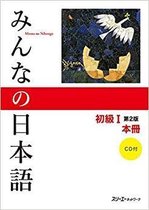
Introduction to Japanese Language for JLPT N5
The Japanese-Language Proficiency Test (JLPT) N5 is the beginner level, testing basic
understanding of Japanese. Here’s a quick introduction to what you’ll need to know:
1. Writing Systems
Japanese uses three scripts:
- Hiragana (ひらがな) – Used for native Japanese words and grammar.
- Example: あ (a), い (i), こんにちは (konnichiwa – "hello")
- Katakana (カタカナ) – Used for foreign words and names.
- Example: コーヒー (kōhī – "coffee"), アメリカ (Amerika – "America")
- Kanji (漢字) – Chinese characters used for nouns, verbs, and adjectives.
- N5 has about 100 basic kanji, like 人 (person), 日 (sun/day), 月 (moon/month).
2. Basic Grammar
- Sentence Structure: Subject-Object-Verb (SOV)
- Example: わたしは ごはんを たべます。 (I eat rice.)
- Particles (small words that show function):
- は (wa) – Topic marker
- を (wo/o) – Object marker
- に (ni) – Time/direction marker
- で (de) – Location of action
- Verb Conjugation:
- Present/Future: たべます (I eat / will eat)
- Past: たべました (I ate)
- Negative: たべません (I don’t eat)
3. Essential Vocabulary (N5 Level)
- Greetings: こんにちは (Hello), ありがとう (Thank you)
- Numbers: 1-10 (一, 二, 三…), time (時), counters (~つ, ~人)
- Common words: みず (water), いえ (house), がっこう (school)
4. Listening & Reading
- Understand simple conversations (self-introductions, shopping, directions).
- Read short sentences with hiragana, katakana, and basic kanji.
How to Start?
1. Master Hiragana & Katakana (first step!).
2. Learn N5 vocabulary (~800 words) and basic kanji.
3. Practice simple sentences with particles.
4. Listen to beginner Japanese dialogues (YouTube, apps).
With consistent study, you can pass N5 in 3-6 months
The Japanese-Language Proficiency Test (JLPT) N5 is the beginner level, testing basic
understanding of Japanese. Here’s a quick introduction to what you’ll need to know:
1. Writing Systems
Japanese uses three scripts:
- Hiragana (ひらがな) – Used for native Japanese words and grammar.
- Example: あ (a), い (i), こんにちは (konnichiwa – "hello")
- Katakana (カタカナ) – Used for foreign words and names.
- Example: コーヒー (kōhī – "coffee"), アメリカ (Amerika – "America")
- Kanji (漢字) – Chinese characters used for nouns, verbs, and adjectives.
- N5 has about 100 basic kanji, like 人 (person), 日 (sun/day), 月 (moon/month).
2. Basic Grammar
- Sentence Structure: Subject-Object-Verb (SOV)
- Example: わたしは ごはんを たべます。 (I eat rice.)
- Particles (small words that show function):
- は (wa) – Topic marker
- を (wo/o) – Object marker
- に (ni) – Time/direction marker
- で (de) – Location of action
- Verb Conjugation:
- Present/Future: たべます (I eat / will eat)
- Past: たべました (I ate)
- Negative: たべません (I don’t eat)
3. Essential Vocabulary (N5 Level)
- Greetings: こんにちは (Hello), ありがとう (Thank you)
- Numbers: 1-10 (一, 二, 三…), time (時), counters (~つ, ~人)
- Common words: みず (water), いえ (house), がっこう (school)
4. Listening & Reading
- Understand simple conversations (self-introductions, shopping, directions).
- Read short sentences with hiragana, katakana, and basic kanji.
How to Start?
1. Master Hiragana & Katakana (first step!).
2. Learn N5 vocabulary (~800 words) and basic kanji.
3. Practice simple sentences with particles.
4. Listen to beginner Japanese dialogues (YouTube, apps).
With consistent study, you can pass N5 in 3-6 months