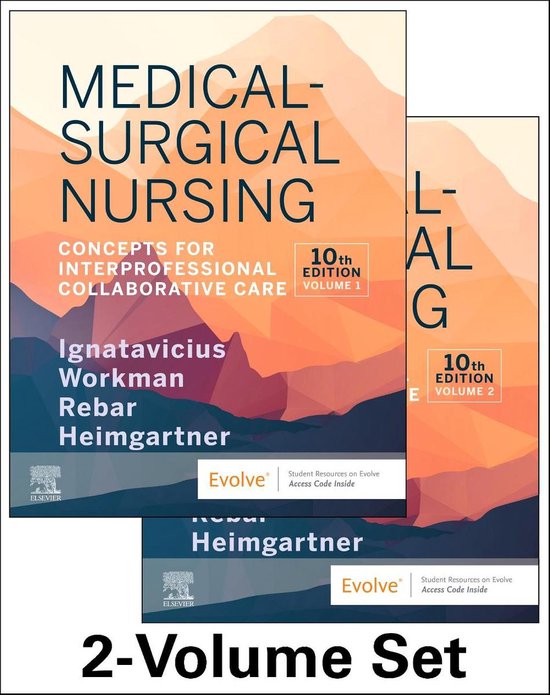
MEDICAL SURGICAL NURSING
CONCEPTS (NURS 242) Key Concepts
& Patient Care Strategies COMPLETE
DETAILED GUIDE FOR EXAM 1
GUARANTEED PASS
GALEN COLLEGE OF NURSING
,Nur242
Miami Campus
Medical Surgical Nursing: Ignatavicius, Workman, Rebar, Heimgarterner 10th edition
Exam 1 includes
Unit 1(Chapter 1, Ch 4, Ch 6, Ch 7, Ch 22, Ch 23, )
Unit2 (Ch 5, Ch 9, Ch36, Ch37)
Unit 3(Ch 21, Ch 16, Ch 15, Ch 55) Notes for Medsurg test 1= WEEK 1
Chapter 1: Overview of Professional Nursing concepts for Medical Surgical nursing
-Attributes of patient centered care= respect of patient values , preferences and expressed
needs; coordination and integration of care, info, communication and education; physical
comfort; emotional support and alleviation of fear and anxiety; involvement of fam and friends;
transition and continuity; access to care.
- complementary and alternative therapies= pet therapy, massage therapy, guided imagery,
biofeedback, exercise and fitness programs, Nutrional supplements, aromatherapy, health
focused tv, music therapy, acupuncture, acupressure, disease management program
- Patient centered care- integrative care model ( focus on diverse preferences and needs), Basic
physical and comfort needs met.
- Best care transition practices- educate and coach patients and their caregivers; use transition
coaches, if available , to improve care coordination and transition management; f/u with post
drainage vistits or phone calls; improve communication handoffs from hospitals to ambulatory
care or home care settings, identify high risk patients for readmission on basis of age ( older than
80 ) number of comorbidities (equal or less 3 ) number of RX ( equal or less than 5) and difficulty
performing at least 1 ADL; address patient caregiver needs to prevent caregiver role strain.
- Patient and staff safety is the major priority for professional nurses.
- the best source of evidence is usually research
-Quality improvement- aka evidence-based practice and safety
-Joint commission requires that health care organizations create a culture of safety by following
NPSG: safety
-vital role of nurse is an advocate to empower patients and families to have control over
their health care and function as safety partners Risk factors of immobility= caused by
long periods of immobility
1. Activity intolerance, ineffective GI perfusion, ineffective renal perfusion, decreased
cardiac output, ineffective cerebral perfusion, ineffective tissue perfusion, disuse
syndrome ( Nutritionist high protein ( albumin and pre albumin look at BMI
a. DVT decreased cardiac output, orthostatic hypotension, (encourage early
ambulation, low dose 12 hours after surg, change position slowly
b. Constipation-, hydration, Colace, fiber, opioids ( other options NsaID))
c. Respiratory system- atelectasis, pneumonia,( incentive spirometer, HOB up, splint
wound) coughing deep breathing also
, d. Nuero- depression, disorientation ( reorient, wake ,sleep cycle)
e. Urinary- urinary statis and retention ( UTI), renal calculi create schedule,
f. Skin- ( ulcers) perwick; high protein diet, turn every 2 hours
g. Musculoskeletal- ( contracture, foot drop, osteoporosis, fracture( up and moving
, calcium supplement) waffle mattress SCD, wedges, heel boots,
-Chapter 4= Common health problem of older adults
Common Health problems of older adults- decreased nutrition, hydration; decreased mobility;
stress, loss coping, accidents, polypharmacy, inadequate cognition, substance use
Older adult considerations-
Fastest growing subgroup is the OLD OLD sometimes referred
to as advanced older adult. Number of homless people older
than 60 is growing
Heatlh protecting behaviors- yearly flu vaccine ( October- March annually), pneumococcal
vaccine, shingles vaccines, tetanus booster every 10 years, seatbelt, alcohol only in moderation,
grab bars, smoke detectors, hazard free environment, avoid OTC meds
Health enhancing behaviors- yearly physical exam, reduce fat in diet ( sautrated fat less htan
10%, no more than 30% calories); increase daily intake of complex carbs and fiber, 5 or moe
servings of fruit and veggies; 6 or more servings of grain products); increase calcium 1000-
1500mg daily take vit D as recommended; exercise regulary 3-5 times a week; reminince use
journaling
-diminished sense of taste= less ability to taste sweet and salt than bitter and sour
-Older adult Nutrional teaching- increase fiber and fluid intake, exercise regularyly avoid risk
factors that contribut to constipation. FIBER 35-50 grams, min 2 L of water a day, “colon
cocktail mix of applesauce, prune juice, psyllium 1-2 tablesppons daily if not stool softner
-TEACH OLDER ADULTS THAT FLUID RESTRICTIONS MAKE THEM LIKELY TO DEVELOP
DEHYDRATION AND ELECTROLYTE EMBALANCE ( sodium
and potassium) that can cause serious illness or death
-major advantages of maintaining appropriate levels of physical activity: decreased risk of
falls, increased muscle strenth and balance, increaed mobility, increased sleep, reduced or
maintained weight, improved sense of well - being and self esteem, decreased risk of
constipation,improved longevity, reduced risk of diabetes , cornoary artey disease, dementia
-Minimize effects of relocation stress in older adult= provide max oppurtunity for patient to
assistn in decisions, carfully explain procedures and routines, keepsake at bedside, reorient
cleint to place and time, ask about expetations, ecourage patient family to visit often, kestabilish
trust with cleint, assess for patient usual lifestyle and daily activities= foods, pereferreed time for
bathing, avoid unnecceary food changes,
Risk factors for falls= Presbyopia, peripheral nerupathy, mutiple
meds, bilateral cataracts , hx of fallsZ Motor vechile crashes are a
majorcause of accidnets and death among the older adult population
Recommendations for improving older adult driver safety= discuss preception, asess
physical and mental deficit ( med change, recent falls, cognitive impairment; sugggest
, community transportation, wear glasses or hearing aids, on road driving assessment, avoid high
risk locations
CONCEPTS (NURS 242) Key Concepts
& Patient Care Strategies COMPLETE
DETAILED GUIDE FOR EXAM 1
GUARANTEED PASS
GALEN COLLEGE OF NURSING
,Nur242
Miami Campus
Medical Surgical Nursing: Ignatavicius, Workman, Rebar, Heimgarterner 10th edition
Exam 1 includes
Unit 1(Chapter 1, Ch 4, Ch 6, Ch 7, Ch 22, Ch 23, )
Unit2 (Ch 5, Ch 9, Ch36, Ch37)
Unit 3(Ch 21, Ch 16, Ch 15, Ch 55) Notes for Medsurg test 1= WEEK 1
Chapter 1: Overview of Professional Nursing concepts for Medical Surgical nursing
-Attributes of patient centered care= respect of patient values , preferences and expressed
needs; coordination and integration of care, info, communication and education; physical
comfort; emotional support and alleviation of fear and anxiety; involvement of fam and friends;
transition and continuity; access to care.
- complementary and alternative therapies= pet therapy, massage therapy, guided imagery,
biofeedback, exercise and fitness programs, Nutrional supplements, aromatherapy, health
focused tv, music therapy, acupuncture, acupressure, disease management program
- Patient centered care- integrative care model ( focus on diverse preferences and needs), Basic
physical and comfort needs met.
- Best care transition practices- educate and coach patients and their caregivers; use transition
coaches, if available , to improve care coordination and transition management; f/u with post
drainage vistits or phone calls; improve communication handoffs from hospitals to ambulatory
care or home care settings, identify high risk patients for readmission on basis of age ( older than
80 ) number of comorbidities (equal or less 3 ) number of RX ( equal or less than 5) and difficulty
performing at least 1 ADL; address patient caregiver needs to prevent caregiver role strain.
- Patient and staff safety is the major priority for professional nurses.
- the best source of evidence is usually research
-Quality improvement- aka evidence-based practice and safety
-Joint commission requires that health care organizations create a culture of safety by following
NPSG: safety
-vital role of nurse is an advocate to empower patients and families to have control over
their health care and function as safety partners Risk factors of immobility= caused by
long periods of immobility
1. Activity intolerance, ineffective GI perfusion, ineffective renal perfusion, decreased
cardiac output, ineffective cerebral perfusion, ineffective tissue perfusion, disuse
syndrome ( Nutritionist high protein ( albumin and pre albumin look at BMI
a. DVT decreased cardiac output, orthostatic hypotension, (encourage early
ambulation, low dose 12 hours after surg, change position slowly
b. Constipation-, hydration, Colace, fiber, opioids ( other options NsaID))
c. Respiratory system- atelectasis, pneumonia,( incentive spirometer, HOB up, splint
wound) coughing deep breathing also
, d. Nuero- depression, disorientation ( reorient, wake ,sleep cycle)
e. Urinary- urinary statis and retention ( UTI), renal calculi create schedule,
f. Skin- ( ulcers) perwick; high protein diet, turn every 2 hours
g. Musculoskeletal- ( contracture, foot drop, osteoporosis, fracture( up and moving
, calcium supplement) waffle mattress SCD, wedges, heel boots,
-Chapter 4= Common health problem of older adults
Common Health problems of older adults- decreased nutrition, hydration; decreased mobility;
stress, loss coping, accidents, polypharmacy, inadequate cognition, substance use
Older adult considerations-
Fastest growing subgroup is the OLD OLD sometimes referred
to as advanced older adult. Number of homless people older
than 60 is growing
Heatlh protecting behaviors- yearly flu vaccine ( October- March annually), pneumococcal
vaccine, shingles vaccines, tetanus booster every 10 years, seatbelt, alcohol only in moderation,
grab bars, smoke detectors, hazard free environment, avoid OTC meds
Health enhancing behaviors- yearly physical exam, reduce fat in diet ( sautrated fat less htan
10%, no more than 30% calories); increase daily intake of complex carbs and fiber, 5 or moe
servings of fruit and veggies; 6 or more servings of grain products); increase calcium 1000-
1500mg daily take vit D as recommended; exercise regulary 3-5 times a week; reminince use
journaling
-diminished sense of taste= less ability to taste sweet and salt than bitter and sour
-Older adult Nutrional teaching- increase fiber and fluid intake, exercise regularyly avoid risk
factors that contribut to constipation. FIBER 35-50 grams, min 2 L of water a day, “colon
cocktail mix of applesauce, prune juice, psyllium 1-2 tablesppons daily if not stool softner
-TEACH OLDER ADULTS THAT FLUID RESTRICTIONS MAKE THEM LIKELY TO DEVELOP
DEHYDRATION AND ELECTROLYTE EMBALANCE ( sodium
and potassium) that can cause serious illness or death
-major advantages of maintaining appropriate levels of physical activity: decreased risk of
falls, increased muscle strenth and balance, increaed mobility, increased sleep, reduced or
maintained weight, improved sense of well - being and self esteem, decreased risk of
constipation,improved longevity, reduced risk of diabetes , cornoary artey disease, dementia
-Minimize effects of relocation stress in older adult= provide max oppurtunity for patient to
assistn in decisions, carfully explain procedures and routines, keepsake at bedside, reorient
cleint to place and time, ask about expetations, ecourage patient family to visit often, kestabilish
trust with cleint, assess for patient usual lifestyle and daily activities= foods, pereferreed time for
bathing, avoid unnecceary food changes,
Risk factors for falls= Presbyopia, peripheral nerupathy, mutiple
meds, bilateral cataracts , hx of fallsZ Motor vechile crashes are a
majorcause of accidnets and death among the older adult population
Recommendations for improving older adult driver safety= discuss preception, asess
physical and mental deficit ( med change, recent falls, cognitive impairment; sugggest
, community transportation, wear glasses or hearing aids, on road driving assessment, avoid high
risk locations