Healthcare**Healthcare is one of the sectors where ethical and legal issues are particularly
pronounced. Medical professionals regularly face situations that require them to make complex
decisions that not only have life-altering consequences for patients but also raise profound moral
questions. These issues include:#### 2.1 **Patient Autonomy and Informed Consent**One of the
fundamental ethical principles in healthcare is respect for patient autonomy—the right of patients to
make decisions about their own bodies and medical treatments. This principle is enshrined in the
legal concept of informed consent. Informed consent requires healthcare providers to disclose all
relevant information about the risks, benefits, and alternatives to a medical treatment or procedure,
allowing patients to make informed decisions.However,
Test Bank For
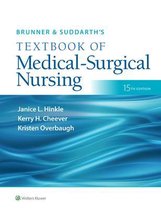
Brunner & Suddarth's Textbook of Medical-Surgical Nursing 15th Edition Hinkle
Chapter 1
1.
The public health nurse is presenting a health promotion class to a group of new mothers. How should
the nurse best define health?
A)
Health is being disease free.
B)
Health is having fulfillment in all domains of life.
C)
Health is having psychological and physiological harmony.
D)
Health is being connected in body, mind, and spirit.
Ans:
D
Feedback:
The World Health Organization (WHO) defines health in the preamble to its constitution as a “state of
complete physical, mental, and social well-being and not merely the absence of disease and infirmity.”
The other answers are incorrect because they are not congruent with the WHO definition of health.
2.
A nurse is speaking to a group of prospective nursing students about what it is like to be a nurse. What
is one characteristic the nurse would cite as necessary to possess to be an effective nurse?
A)
D)
B)
Ans:
C)
, Sens eam-focused approach to problem-solving Strict
itivit
y to
cult adherence to routine
ural
diffe Ability to face criticism
renc
es
A
T
Feedback:
Healthcare**Healthcare is one of the sectors where ethical and legal issues are particularly
pronounced. Medical professionals regularly face situations that require them to make complex
decisions that not only have life-altering consequences for patients but also raise profound moral
questions. These issues include:#### 2.1 **Patient Autonomy and Informed Consent**One of the
fundamental ethical principles in healthcare is respect for patient autonomy—the right of patients to
make decisions about their own bodies and medical treatments. This principle is enshrined in the legal
concept of informed consent. Informed consent requires healthcare providers to disclose all relevant
information about the risks, benefits, and alternatives to a medical treatment or procedure, allowing
patients to make informed decisions.However,
3.
With increases in longevity, people have had to become more knowledgeable about their health and the
professional health care that they receive. One outcome of this phenomenon is the development of
organized self-care education programs. Which of the following do these programs prioritize?
A)
Adequate prenatal care
B)
Government advocacy and lobbying
C)
Judicious use of online communities
D)
Management of illness
Ans:
D
Feedback:
Organized self-care education programs emphasize health promotion, disease prevention, management
of illness, self-care, and judicious use of the professional health care system. Prenatal care, lobbying,
and Internet activities are secondary.
4.
The home health nurse is assisting a patient and his family in planning the patient’s return to work
, after surgery and the development of postsurgical complications. The nurse is preparing a plan of
care that addresses the patient’s multifaceted needs. To which level of Maslow’s hierarchy of basic
needs does the patient’s need for self- fulfillment relate?
A)
Physiologic
B)
Transcendence
C)
Love and belonging
D)
Self-actualization
Ans:
D
Healthcare**Healthcare is one of the sectors where ethical and legal issues are particularly
pronounced. Medical professionals regularly face situations that require them to make complex
decisions that not only have life-altering consequences for patients but also raise profound moral
questions. These issues include:#### 2.1 **Patient Autonomy and Informed Consent**One of the
fundamental ethical principles in healthcare is respect for patient autonomy—the right of patients to
make decisions about their own bodies and medical treatments. This principle is enshrined in the legal
concept of informed consent. Informed consent requires healthcare providers to disclose all relevant
information about the risks, benefits, and alternatives to a medical treatment or procedure, allowing
patients to make informed decisions.However,
6.
A group of nursing students are participating in a community health clinic. When providing care in
this context, what should the students teach participants about disease prevention?
A)
It is best achieved through attending self-help groups.
B)
It is best achieved by reducing psychological stress.
C)
It is best achieved by being an active participant in the community.
D)
It is best achieved by exhibiting behaviors that promote health.
Ans:
D
Feedback:
pronounced. Medical professionals regularly face situations that require them to make complex
decisions that not only have life-altering consequences for patients but also raise profound moral
questions. These issues include:#### 2.1 **Patient Autonomy and Informed Consent**One of the
fundamental ethical principles in healthcare is respect for patient autonomy—the right of patients to
make decisions about their own bodies and medical treatments. This principle is enshrined in the
legal concept of informed consent. Informed consent requires healthcare providers to disclose all
relevant information about the risks, benefits, and alternatives to a medical treatment or procedure,
allowing patients to make informed decisions.However,
Test Bank For
Brunner & Suddarth's Textbook of Medical-Surgical Nursing 15th Edition Hinkle
Chapter 1
1.
The public health nurse is presenting a health promotion class to a group of new mothers. How should
the nurse best define health?
A)
Health is being disease free.
B)
Health is having fulfillment in all domains of life.
C)
Health is having psychological and physiological harmony.
D)
Health is being connected in body, mind, and spirit.
Ans:
D
Feedback:
The World Health Organization (WHO) defines health in the preamble to its constitution as a “state of
complete physical, mental, and social well-being and not merely the absence of disease and infirmity.”
The other answers are incorrect because they are not congruent with the WHO definition of health.
2.
A nurse is speaking to a group of prospective nursing students about what it is like to be a nurse. What
is one characteristic the nurse would cite as necessary to possess to be an effective nurse?
A)
D)
B)
Ans:
C)
, Sens eam-focused approach to problem-solving Strict
itivit
y to
cult adherence to routine
ural
diffe Ability to face criticism
renc
es
A
T
Feedback:
Healthcare**Healthcare is one of the sectors where ethical and legal issues are particularly
pronounced. Medical professionals regularly face situations that require them to make complex
decisions that not only have life-altering consequences for patients but also raise profound moral
questions. These issues include:#### 2.1 **Patient Autonomy and Informed Consent**One of the
fundamental ethical principles in healthcare is respect for patient autonomy—the right of patients to
make decisions about their own bodies and medical treatments. This principle is enshrined in the legal
concept of informed consent. Informed consent requires healthcare providers to disclose all relevant
information about the risks, benefits, and alternatives to a medical treatment or procedure, allowing
patients to make informed decisions.However,
3.
With increases in longevity, people have had to become more knowledgeable about their health and the
professional health care that they receive. One outcome of this phenomenon is the development of
organized self-care education programs. Which of the following do these programs prioritize?
A)
Adequate prenatal care
B)
Government advocacy and lobbying
C)
Judicious use of online communities
D)
Management of illness
Ans:
D
Feedback:
Organized self-care education programs emphasize health promotion, disease prevention, management
of illness, self-care, and judicious use of the professional health care system. Prenatal care, lobbying,
and Internet activities are secondary.
4.
The home health nurse is assisting a patient and his family in planning the patient’s return to work
, after surgery and the development of postsurgical complications. The nurse is preparing a plan of
care that addresses the patient’s multifaceted needs. To which level of Maslow’s hierarchy of basic
needs does the patient’s need for self- fulfillment relate?
A)
Physiologic
B)
Transcendence
C)
Love and belonging
D)
Self-actualization
Ans:
D
Healthcare**Healthcare is one of the sectors where ethical and legal issues are particularly
pronounced. Medical professionals regularly face situations that require them to make complex
decisions that not only have life-altering consequences for patients but also raise profound moral
questions. These issues include:#### 2.1 **Patient Autonomy and Informed Consent**One of the
fundamental ethical principles in healthcare is respect for patient autonomy—the right of patients to
make decisions about their own bodies and medical treatments. This principle is enshrined in the legal
concept of informed consent. Informed consent requires healthcare providers to disclose all relevant
information about the risks, benefits, and alternatives to a medical treatment or procedure, allowing
patients to make informed decisions.However,
6.
A group of nursing students are participating in a community health clinic. When providing care in
this context, what should the students teach participants about disease prevention?
A)
It is best achieved through attending self-help groups.
B)
It is best achieved by reducing psychological stress.
C)
It is best achieved by being an active participant in the community.
D)
It is best achieved by exhibiting behaviors that promote health.
Ans:
D
Feedback: