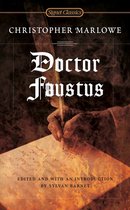
The comparison between Marlowe and Faustus is often drawn due to
similarities in their backgrounds: both came from humble origins, were
initially destined for the Church but chose a different path, were interested
in secular knowledge, and were accused of blasphemy. However, these
analogies are speculative, as little is known about Marlowe's personal life
The plot of Dr. Faustus condemns Faustus’s rejection of faith in favor of
knowledge. Marlowe intellectualized Faustus's character, emphasizing his
romanticized pursuit of knowledge and the resulting despair and
repentance. It’s possible that Marlowe himself experienced religious doubt
and understood the suffering that comes with it, but without evidence, such
assumptions remain speculative.
Marlowe’s broad intellectual curiosity, his appreciation of beauty, and his
understanding of the Renaissance spirit make him an ideal figure to
interpret the era. However, Dr. Faustus stands out as one of the few
Elizabethan tragedies with an overt religious theme, and its structure,
including elements like Good and Bad Angels, ties it to medieval drama.
The comic scenes in Dr. Faustus are generally considered unlikely to have
been written by Marlowe, as they were likely included to meet the demands
of the Elizabethan audience for comic interludes. These scenes, although
not as poorly executed as some modern critics suggest, lack coherence
and artistic merit within the play. Comic interludes can either emotionally
connect to the tragic elements, as seen in Shakespeare’s works, or serve
as a burlesque of tragic moments, which is evident in the first comic scene
of Dr. Faustus. However, the remaining comic scenes in the play do not
contribute meaningfully to the tragedy, lacking the depth and subtlety of
Shakespeare’s humor.
The Clown and Wagner (Act 1, Scene 4):
similarities in their backgrounds: both came from humble origins, were
initially destined for the Church but chose a different path, were interested
in secular knowledge, and were accused of blasphemy. However, these
analogies are speculative, as little is known about Marlowe's personal life
The plot of Dr. Faustus condemns Faustus’s rejection of faith in favor of
knowledge. Marlowe intellectualized Faustus's character, emphasizing his
romanticized pursuit of knowledge and the resulting despair and
repentance. It’s possible that Marlowe himself experienced religious doubt
and understood the suffering that comes with it, but without evidence, such
assumptions remain speculative.
Marlowe’s broad intellectual curiosity, his appreciation of beauty, and his
understanding of the Renaissance spirit make him an ideal figure to
interpret the era. However, Dr. Faustus stands out as one of the few
Elizabethan tragedies with an overt religious theme, and its structure,
including elements like Good and Bad Angels, ties it to medieval drama.
The comic scenes in Dr. Faustus are generally considered unlikely to have
been written by Marlowe, as they were likely included to meet the demands
of the Elizabethan audience for comic interludes. These scenes, although
not as poorly executed as some modern critics suggest, lack coherence
and artistic merit within the play. Comic interludes can either emotionally
connect to the tragic elements, as seen in Shakespeare’s works, or serve
as a burlesque of tragic moments, which is evident in the first comic scene
of Dr. Faustus. However, the remaining comic scenes in the play do not
contribute meaningfully to the tragedy, lacking the depth and subtlety of
Shakespeare’s humor.
The Clown and Wagner (Act 1, Scene 4):