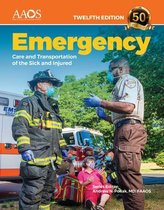
EMERGENCY CARE AND TRANSPORTATION OF THE SICK AND INJURED
Full TEST BANK — Emergency Care and Transportation of the Sick and Injured (12th
Edition, AAOS) — Complete EMT-Level Instructor Question Bank With Correct
Answers, Deep Rationales & All 41 Chapters | Updated 2026 Version
Bonie314 Stuvia
,AAOS Emergency Care and Transportation of The Sick And Injured, 12TH EDITION
w w w w w w w w w w w
TABLE OF CONTENTS w w
Section 1: Preparatory
w w
Chapter 1 – EMS Systems
w w w w w
Chapter 2 – Workforce Safety and Wellness
w w w w w w
Chapter 3 – Medical, Legal, and Ethical Issues
w w w w w w w w
Chapter 4 – The Well-Being of the EMT
w w w w w w w w
Chapter 5 – Lifting and Moving Patients
w w w w w w w
Chapter 6 – Medical Terminology
w w w w w
Chapter 7 – Anatomy and Physiology
w w w w w
Chapter 8 – Pathophysiology
w w w w
Chapter 9 – Life Span
w w w w w
Development
w
Section 2: Patient Assessment
w w w
Chapter 10 – Patient
w w w w
w Assessment
Section 3: Airway
w w
Chapter 11 – Airway Management, Oxygen Therapy, and Ventilation
w w w w w w w w
Section 4: Pharmacology
w w
Chapter 12 – Principles of Pharmacology
w w w w w
Section 5: Shock and Resuscitation
w w w w
Chapter 13 – Shock
w w w w
Chapter 14 – BLS Resuscitation
w w w w
Section 6: Medical Emergencies
w w w
Chapter 15 – Medical
w w w w
Overview
w
Chapter 16 – Respiratory Emergencies
w w w w
Chapter 17 – Cardiovascular Emergencies
w w w w
,Chapter 18 – Neurologic Emergencies
w w w w
Chapter 19 – Gastrointestinal and Genitourinary Emergencies
w w w w w w
Chapter 20 – Endocrine and Hematologic Emergencies
w w w w w w w
Chapter 21 – Allergic Reactions and Anaphylaxis
w w w w w w w
Chapter 22 – Toxicology
w w w
Chapter 23 – Behavioral and Psychiatric Emergencies
w w w w w w
Chapter 24 – Gynecologic Emergencies
w w w w
Section 7: Trauma
w w
Chapter 25 – Trauma Overview
w w w w
Chapter 26 – Bleeding
w w w
Chapter 27 – Soft-Tissue Injuries
w w w w
Chapter 28 – Face and Neck Injuries
w w w w w w w
Chapter 29 – Head and Spine Injuries
w w w w w w w
Chapter 30 – Chest Injuries
w w w w w
Chapter 31 – Abdominal and Genitourinary Injuries
w w w w w w
Chapter 32 – Orthopedic Injuries
w w w w
Chapter 33 – Environmental Emergencies
w w w w
Section 8: Special Patient Populations
w w w w
Chapter 34 – Obstetrics and Neonatal Care
w w w w w w w
Chapter 35 – Pediatric Emergencies
w w w w
Chapter 36 – Geriatric Emergencies
w w w w
Chapter 37 – Patients with Special Challenges
w w w w w w
Section 9: EMS Operations
w w w
Chapter 38 – Ambulance
w w w w
Operations
w
Chapter 39 – Incident Management
w w w w
Chapter 40 – Hazardous Materials Awareness
w w w w w
Chapter 41 – Terrorism and Disaster Response
w w w w w w
, CHAPTER 1 – EMS SYSTEMS w w w w
1. Which component is considered the foundation of an effective EMS system?
w w w w w w w w w w
A. Advanced life support availabilityw w w
B. Public access and communication
w w w
C. Medical direction w
D. Trauma center designation w w
Correct Answer: Bw w
Rationale: Public access and communication (e.g., 911) allow patients to enter the
w w w w w w w w w w w
EMS system. Without reliable access, other components cannot function
w w w w w w w w w
effectively.
w
2. The primary role of medical direction in EMS is to:
w w w w w w w w w
A. Determine EMS budgets w w
B. Establish dispatch protocols w w
C. Ensure quality and medical oversight of patient care
w w w w w w w
D. Manage EMS personnel schedules
w w w
Correct Answer: Cw w
Rationale: Medical direction provides both online and offline guidance to ensure
w w w w w w w w w w
patient care meets accepted medical standards.
w w w w w w
3. Which level of medical direction involves written protocols, standing
w w w w w w w w
orders, and training?
w w w
A. Online medical direction
w w
B. Direct medical control
w w
C. Indirect medical directionw w
D. Retrospective medical oversight w w
Correct Answer: Cw w
Rationale: Indirect (offline) medical direction includes protocols, policies,
w w w w w w w
training, and quality improvement measures.
w w w w w
Full TEST BANK — Emergency Care and Transportation of the Sick and Injured (12th
Edition, AAOS) — Complete EMT-Level Instructor Question Bank With Correct
Answers, Deep Rationales & All 41 Chapters | Updated 2026 Version
Bonie314 Stuvia
,AAOS Emergency Care and Transportation of The Sick And Injured, 12TH EDITION
w w w w w w w w w w w
TABLE OF CONTENTS w w
Section 1: Preparatory
w w
Chapter 1 – EMS Systems
w w w w w
Chapter 2 – Workforce Safety and Wellness
w w w w w w
Chapter 3 – Medical, Legal, and Ethical Issues
w w w w w w w w
Chapter 4 – The Well-Being of the EMT
w w w w w w w w
Chapter 5 – Lifting and Moving Patients
w w w w w w w
Chapter 6 – Medical Terminology
w w w w w
Chapter 7 – Anatomy and Physiology
w w w w w
Chapter 8 – Pathophysiology
w w w w
Chapter 9 – Life Span
w w w w w
Development
w
Section 2: Patient Assessment
w w w
Chapter 10 – Patient
w w w w
w Assessment
Section 3: Airway
w w
Chapter 11 – Airway Management, Oxygen Therapy, and Ventilation
w w w w w w w w
Section 4: Pharmacology
w w
Chapter 12 – Principles of Pharmacology
w w w w w
Section 5: Shock and Resuscitation
w w w w
Chapter 13 – Shock
w w w w
Chapter 14 – BLS Resuscitation
w w w w
Section 6: Medical Emergencies
w w w
Chapter 15 – Medical
w w w w
Overview
w
Chapter 16 – Respiratory Emergencies
w w w w
Chapter 17 – Cardiovascular Emergencies
w w w w
,Chapter 18 – Neurologic Emergencies
w w w w
Chapter 19 – Gastrointestinal and Genitourinary Emergencies
w w w w w w
Chapter 20 – Endocrine and Hematologic Emergencies
w w w w w w w
Chapter 21 – Allergic Reactions and Anaphylaxis
w w w w w w w
Chapter 22 – Toxicology
w w w
Chapter 23 – Behavioral and Psychiatric Emergencies
w w w w w w
Chapter 24 – Gynecologic Emergencies
w w w w
Section 7: Trauma
w w
Chapter 25 – Trauma Overview
w w w w
Chapter 26 – Bleeding
w w w
Chapter 27 – Soft-Tissue Injuries
w w w w
Chapter 28 – Face and Neck Injuries
w w w w w w w
Chapter 29 – Head and Spine Injuries
w w w w w w w
Chapter 30 – Chest Injuries
w w w w w
Chapter 31 – Abdominal and Genitourinary Injuries
w w w w w w
Chapter 32 – Orthopedic Injuries
w w w w
Chapter 33 – Environmental Emergencies
w w w w
Section 8: Special Patient Populations
w w w w
Chapter 34 – Obstetrics and Neonatal Care
w w w w w w w
Chapter 35 – Pediatric Emergencies
w w w w
Chapter 36 – Geriatric Emergencies
w w w w
Chapter 37 – Patients with Special Challenges
w w w w w w
Section 9: EMS Operations
w w w
Chapter 38 – Ambulance
w w w w
Operations
w
Chapter 39 – Incident Management
w w w w
Chapter 40 – Hazardous Materials Awareness
w w w w w
Chapter 41 – Terrorism and Disaster Response
w w w w w w
, CHAPTER 1 – EMS SYSTEMS w w w w
1. Which component is considered the foundation of an effective EMS system?
w w w w w w w w w w
A. Advanced life support availabilityw w w
B. Public access and communication
w w w
C. Medical direction w
D. Trauma center designation w w
Correct Answer: Bw w
Rationale: Public access and communication (e.g., 911) allow patients to enter the
w w w w w w w w w w w
EMS system. Without reliable access, other components cannot function
w w w w w w w w w
effectively.
w
2. The primary role of medical direction in EMS is to:
w w w w w w w w w
A. Determine EMS budgets w w
B. Establish dispatch protocols w w
C. Ensure quality and medical oversight of patient care
w w w w w w w
D. Manage EMS personnel schedules
w w w
Correct Answer: Cw w
Rationale: Medical direction provides both online and offline guidance to ensure
w w w w w w w w w w
patient care meets accepted medical standards.
w w w w w w
3. Which level of medical direction involves written protocols, standing
w w w w w w w w
orders, and training?
w w w
A. Online medical direction
w w
B. Direct medical control
w w
C. Indirect medical directionw w
D. Retrospective medical oversight w w
Correct Answer: Cw w
Rationale: Indirect (offline) medical direction includes protocols, policies,
w w w w w w w
training, and quality improvement measures.
w w w w w