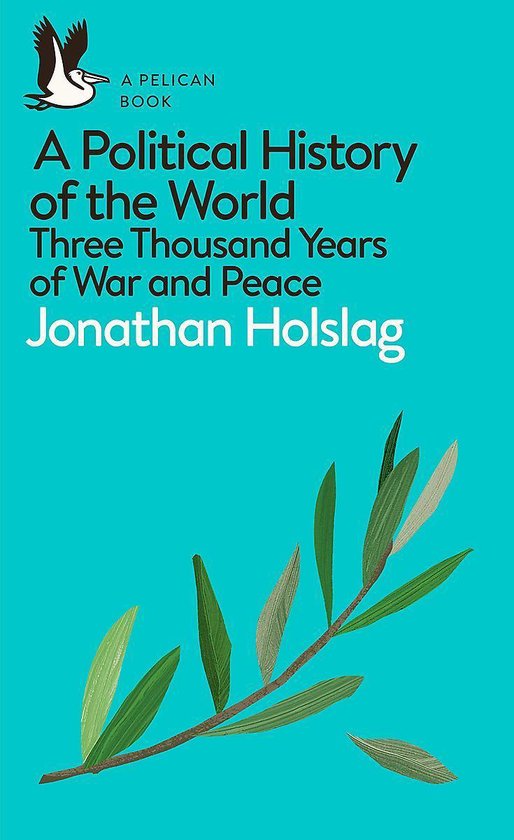
Conclusion: Horror as a Friend
● The dream of peace is eternal and universal
● Peace means tranquility, the absence of war.
● War has also been celebrated; but once war becomes reality, jingoism always becomes
despair.
● When wars have ended exhausted societies have usually rallied behind rulers that
promised an era of tranquility, and delegates who negotiated peace treaties were
celebrated.
● Yet wars have always continued to break out.
● Even the ‘golden ages’ of peace were not so harmonious at all
○ Vicious social conflicts arisign from slavery and other extreme inequalities
between the destitute masses and decadent elites.
○ Peace enjoyed by empires (ex. Pax Romana) was experienced primarily by a
small circle of privileged people.
○ Force had to be deployed on the periphery to guarantee the supply of resources
(slaves, food, gold).
● ==> Imperial peace meant exploitation
● Exploitation inevitably created hatred, conflict, resistance.
○ Peace at the heart of empires often was only possible because of the wars
waged on the frontiers, to conquer new lands, repel invaders, control migration.
The moral high ground
==> Failure of morality to maintain peace
● War is universal
● Great powers have promised that their rise would be benevolent, that they would refrain
from aggression, and stand for a just new order.
○ Mostly ended in disappointment.
● The West has been more successful in waging war, colonising, and exploiting riches in
recent centuries.
● The West also was the first to do so on a global scale.
● But all great powers throughout history have been similarly brutish.
- PRC’s current territory was mostly colonised by the Han Chinese.
- Before the arrival of the Europeans, the populations of Asia, Africa and the
Americas fought their neighbours frequently.
==> No absolute moral high ground in history.
● Claims to occupy the moral high ground have been an important excuse for war.
○ Many times powers fought to overturn what they saw as injustices or an unfair
world order.
- Hannibal went to war over humiliating losses of an earlier war with Rome.
- Sasanians fought the Romans over perceived injustices concerning the buffer
state of Armenia.
, - Abbasids attacked the Umayyads because of its un-Islamic behaviour.
- Hitler rose to power promising to reverse the losses of the TOV.
● The need to avenge past humiliations and mistreatment and the promise to restore
justice has provided popular justifications for war and for rising polities to attack the
incumbent great power.
● Another pretext for war was the claim by aggressors that they brought the benefits of
superior civilisation to backward peoples.
○ All great empires saw themselves as the centre of the world, and those beyond it
were barbarians needing subduing or unfree peoples needing to be liberated.
● Fighting unbelievers was also an excuse for war
- AtG claimed to be fighting a holy war against the Persians (C4 BCE)
- Chinese emperors fought to fulfil the ‘mandate of heaven’
- Srivijaya kings represented their wars of conquest as Buddhist quests for
enlightenment
- Islamic caliphs campaigned to spread the true faith to the Dar al-Harb
- Medieval European lords crusades in the service of Christ
● The battle to establish the true faith was also fought between the adherents of different
strands of the same religion
- Orthodox Christians vs Catholics
- Catholics vs Protestants
- Shia Muslims vs Sunnis
○ If most holy books called for peace, they equally provided arguments for war.
● Polities signed up to international agreements to limit the use of force.
- After the Zhou downfall, the rival states convened diplomatic conferences. But
they didn’t resolve their conflicts, either because they were seen as serving the
interests of the strongest state, or as a means by which lesser polities could
check the dominant kingdom.
● Truces, treaties, pacts promising eternal peace were sealed with oaths and curses, and
with the exchange of sons/daughters as marriage partners or hostages. Yet none of
them lasted.
○ There were always ambiguities that one side could exploit as a reason for
attacking the other
■ (infraction of an imprecise border, unintentional breaching of a vaguely
defined sphere of influence, bolstering fortifications in response to
another’s construction programme, etc.)
● Competition for the moral high ground frequently resulted in states accusing each other
of being the aggressor.
○ Security/defence or aggression?
● Wars waged by major powers because they were called on by lesser ones
- Russian intervention in the Syrian civil war (2015)
● The dream of peace is eternal and universal
● Peace means tranquility, the absence of war.
● War has also been celebrated; but once war becomes reality, jingoism always becomes
despair.
● When wars have ended exhausted societies have usually rallied behind rulers that
promised an era of tranquility, and delegates who negotiated peace treaties were
celebrated.
● Yet wars have always continued to break out.
● Even the ‘golden ages’ of peace were not so harmonious at all
○ Vicious social conflicts arisign from slavery and other extreme inequalities
between the destitute masses and decadent elites.
○ Peace enjoyed by empires (ex. Pax Romana) was experienced primarily by a
small circle of privileged people.
○ Force had to be deployed on the periphery to guarantee the supply of resources
(slaves, food, gold).
● ==> Imperial peace meant exploitation
● Exploitation inevitably created hatred, conflict, resistance.
○ Peace at the heart of empires often was only possible because of the wars
waged on the frontiers, to conquer new lands, repel invaders, control migration.
The moral high ground
==> Failure of morality to maintain peace
● War is universal
● Great powers have promised that their rise would be benevolent, that they would refrain
from aggression, and stand for a just new order.
○ Mostly ended in disappointment.
● The West has been more successful in waging war, colonising, and exploiting riches in
recent centuries.
● The West also was the first to do so on a global scale.
● But all great powers throughout history have been similarly brutish.
- PRC’s current territory was mostly colonised by the Han Chinese.
- Before the arrival of the Europeans, the populations of Asia, Africa and the
Americas fought their neighbours frequently.
==> No absolute moral high ground in history.
● Claims to occupy the moral high ground have been an important excuse for war.
○ Many times powers fought to overturn what they saw as injustices or an unfair
world order.
- Hannibal went to war over humiliating losses of an earlier war with Rome.
- Sasanians fought the Romans over perceived injustices concerning the buffer
state of Armenia.
, - Abbasids attacked the Umayyads because of its un-Islamic behaviour.
- Hitler rose to power promising to reverse the losses of the TOV.
● The need to avenge past humiliations and mistreatment and the promise to restore
justice has provided popular justifications for war and for rising polities to attack the
incumbent great power.
● Another pretext for war was the claim by aggressors that they brought the benefits of
superior civilisation to backward peoples.
○ All great empires saw themselves as the centre of the world, and those beyond it
were barbarians needing subduing or unfree peoples needing to be liberated.
● Fighting unbelievers was also an excuse for war
- AtG claimed to be fighting a holy war against the Persians (C4 BCE)
- Chinese emperors fought to fulfil the ‘mandate of heaven’
- Srivijaya kings represented their wars of conquest as Buddhist quests for
enlightenment
- Islamic caliphs campaigned to spread the true faith to the Dar al-Harb
- Medieval European lords crusades in the service of Christ
● The battle to establish the true faith was also fought between the adherents of different
strands of the same religion
- Orthodox Christians vs Catholics
- Catholics vs Protestants
- Shia Muslims vs Sunnis
○ If most holy books called for peace, they equally provided arguments for war.
● Polities signed up to international agreements to limit the use of force.
- After the Zhou downfall, the rival states convened diplomatic conferences. But
they didn’t resolve their conflicts, either because they were seen as serving the
interests of the strongest state, or as a means by which lesser polities could
check the dominant kingdom.
● Truces, treaties, pacts promising eternal peace were sealed with oaths and curses, and
with the exchange of sons/daughters as marriage partners or hostages. Yet none of
them lasted.
○ There were always ambiguities that one side could exploit as a reason for
attacking the other
■ (infraction of an imprecise border, unintentional breaching of a vaguely
defined sphere of influence, bolstering fortifications in response to
another’s construction programme, etc.)
● Competition for the moral high ground frequently resulted in states accusing each other
of being the aggressor.
○ Security/defence or aggression?
● Wars waged by major powers because they were called on by lesser ones
- Russian intervention in the Syrian civil war (2015)