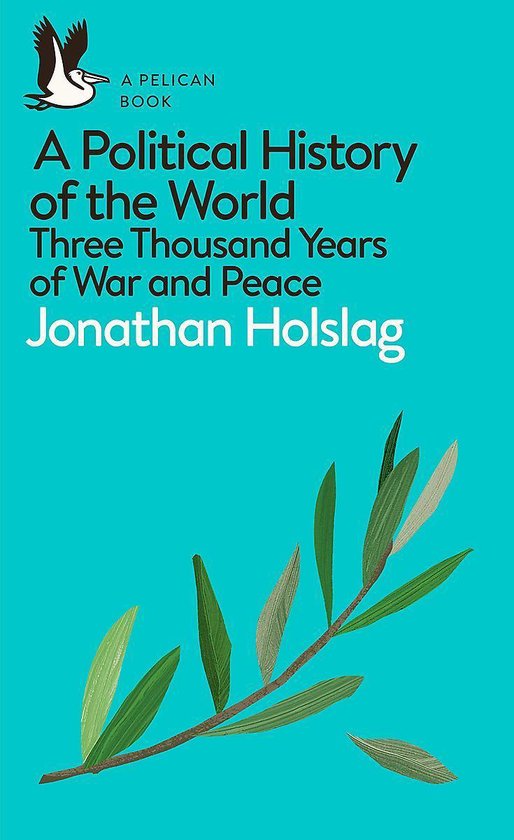
History of international relations
Overview before 1000 – 1 BCE
China – Before 1000 BCE
Important names Political units Important events Important ideas/ideologies
Duke Dan of Zhou Since the 17th C BCE, the The Battle of Muye – 1046 BCE The Mandate of Heaven (Tian Ming)
(advisor to the first North China Plain was united
king of the Zhou by the Shang Kingdom
dynasty) refined the Shang Kingdom overthrown
theory of the by the Zhou in the Battle of
heavenly mandate Muye (1046 BCE)
Zhou Dynasty
China – 1000 – 750 BCE
Important names Political units Important events Important ideas/ideologies
Prince Cheng of Zhou Dynasty King You of Zhou killed in 771 BCE > The Book of Rites: is a collection of texts
Zhou became king in Main rivals of the Zhou: barbarians sacked capital > Zhou’s heavenly describing the social forms, administration,
1042 BCE Dongyi, Xianyun, Guifang mandate challenged and ceremonial rites of the Zhou dynasty
and Chu Following decades: Zhou’s capital relocated
& more and more vassals turned backs on
the king
Zhou retained nominal power but anarchy
took over
China – 750 BCE – 500 BCE
Important names Political units Important events Important ideas/ideologies
Guan Zhong (720 – The Lu (controlled the fertile The Spring and Autumn Period (771 – 476 BCE) Mengfu = palace of treaties
645 BCE) chancellor lands of the NCP) Period of anarchy Development of the thought on Chinese
to the state of Qi The Qi Period of consolidation: rise of large cities, governance
Confucius (551 – 479 The Song specialization of crafts, development of
BCE) advisor to the The Jin trade, innovative technology, etc.
, kings of Lu The Qin Period of diplomacy: hundreds of treaties
Lao Tzu (601 – 531 The Chu signed and national conferences held
BCE) founder of
Taoism
Sun Tzu (544 – 479
BCE) from the state
of Wu
All argued that military
power is not enough
without good
governance & good
governance relied on
prosperity, preservation
of agriculture, just
legislation, education
and internal stability.
China – 500 – 250 BCE
Important names Political units Important events Important ideas/ideologies
Lu Buwei bought Number of states shrunk to 7: The Warring States Period (476 – 221 BCE) Hundred Schools of Thought would hold debates
himself the position Jin (split into Wei, Zhao, Han) Battle of Guiling 354 BCE (Zhao > Wei) about governance, diplomacy, peace and war.
of Prime Minister of Chu, Qin, Qi and Yan Battle of Changping 260 BCE (Qin > Zhao) The period of instability led scholars to urge
Qin. Surrounded by the Gojoseon Qin Empire established in 221 BCE, ending for law and order (‘legalist school of
Shang Yang (390- (east), Xiongnu (north) and the Warring States Period thought’)
338 BCE) chancellor Wuzhong (mountain tribes to
to the state of Qin west)
Han Fei (280-233
BCE) prince of the
state of Han
Xunzi (312-235 BCE)
Confucian scholar
who shifted towards
realism
, China – 250 – 1 BCE
Important names Political units Important events Important ideas/ideologies
Han Dynasty Qin Dynasty 221 BCE End of Warring States Period Qin Dynasty
Dong Zhongshu Han Dynasty 204 BCE First imperial dynasty, the Qin Dynasty in Doctrine of legalism instead of Confucianism:
(179-104 BCE) The Xiongnu (barbarians) 221 BCE, after the Battle of Changping 260 power, law and order above morality.
important thinker The Yuezhi (barbarians) BCE
who provided the Han Dynasty succeeded the Qin in 204 BCE Han Dynasty
emperor with a Emperor Wu’s campaigns against the Confucianism
Confucian imperial Xiongnu triggered mass migration ->
doctrine built on Xiongnu forced to attack the Yuezhi ->
rigid hierarchy, Yuezhi forc ed to sack the Bactria kingdom &
absolute political take leftovers of the Maurya Empire
centralization &
cultural uniformity
Emperors Wen of
Han, Jing of Han &
Wu of Han
Europe – 1000 – 750 BCE
Important names Political units Important events Important ideas/ideologies
Cimmerians & Scythians Greece started trade settlements on modern Greece & Sparta’s foreign policy = imperial
(nomadic tribal peoples) Syria & Cyprus incl. establishing contact expansion
Kingdom of Urartu with the Phoenicians
Greece: city states Greece established colonies in Asia Minor,
Sparta Sicily & Italian peninsula
Phoenicians
Rome
Overview before 1000 – 1 BCE
China – Before 1000 BCE
Important names Political units Important events Important ideas/ideologies
Duke Dan of Zhou Since the 17th C BCE, the The Battle of Muye – 1046 BCE The Mandate of Heaven (Tian Ming)
(advisor to the first North China Plain was united
king of the Zhou by the Shang Kingdom
dynasty) refined the Shang Kingdom overthrown
theory of the by the Zhou in the Battle of
heavenly mandate Muye (1046 BCE)
Zhou Dynasty
China – 1000 – 750 BCE
Important names Political units Important events Important ideas/ideologies
Prince Cheng of Zhou Dynasty King You of Zhou killed in 771 BCE > The Book of Rites: is a collection of texts
Zhou became king in Main rivals of the Zhou: barbarians sacked capital > Zhou’s heavenly describing the social forms, administration,
1042 BCE Dongyi, Xianyun, Guifang mandate challenged and ceremonial rites of the Zhou dynasty
and Chu Following decades: Zhou’s capital relocated
& more and more vassals turned backs on
the king
Zhou retained nominal power but anarchy
took over
China – 750 BCE – 500 BCE
Important names Political units Important events Important ideas/ideologies
Guan Zhong (720 – The Lu (controlled the fertile The Spring and Autumn Period (771 – 476 BCE) Mengfu = palace of treaties
645 BCE) chancellor lands of the NCP) Period of anarchy Development of the thought on Chinese
to the state of Qi The Qi Period of consolidation: rise of large cities, governance
Confucius (551 – 479 The Song specialization of crafts, development of
BCE) advisor to the The Jin trade, innovative technology, etc.
, kings of Lu The Qin Period of diplomacy: hundreds of treaties
Lao Tzu (601 – 531 The Chu signed and national conferences held
BCE) founder of
Taoism
Sun Tzu (544 – 479
BCE) from the state
of Wu
All argued that military
power is not enough
without good
governance & good
governance relied on
prosperity, preservation
of agriculture, just
legislation, education
and internal stability.
China – 500 – 250 BCE
Important names Political units Important events Important ideas/ideologies
Lu Buwei bought Number of states shrunk to 7: The Warring States Period (476 – 221 BCE) Hundred Schools of Thought would hold debates
himself the position Jin (split into Wei, Zhao, Han) Battle of Guiling 354 BCE (Zhao > Wei) about governance, diplomacy, peace and war.
of Prime Minister of Chu, Qin, Qi and Yan Battle of Changping 260 BCE (Qin > Zhao) The period of instability led scholars to urge
Qin. Surrounded by the Gojoseon Qin Empire established in 221 BCE, ending for law and order (‘legalist school of
Shang Yang (390- (east), Xiongnu (north) and the Warring States Period thought’)
338 BCE) chancellor Wuzhong (mountain tribes to
to the state of Qin west)
Han Fei (280-233
BCE) prince of the
state of Han
Xunzi (312-235 BCE)
Confucian scholar
who shifted towards
realism
, China – 250 – 1 BCE
Important names Political units Important events Important ideas/ideologies
Han Dynasty Qin Dynasty 221 BCE End of Warring States Period Qin Dynasty
Dong Zhongshu Han Dynasty 204 BCE First imperial dynasty, the Qin Dynasty in Doctrine of legalism instead of Confucianism:
(179-104 BCE) The Xiongnu (barbarians) 221 BCE, after the Battle of Changping 260 power, law and order above morality.
important thinker The Yuezhi (barbarians) BCE
who provided the Han Dynasty succeeded the Qin in 204 BCE Han Dynasty
emperor with a Emperor Wu’s campaigns against the Confucianism
Confucian imperial Xiongnu triggered mass migration ->
doctrine built on Xiongnu forced to attack the Yuezhi ->
rigid hierarchy, Yuezhi forc ed to sack the Bactria kingdom &
absolute political take leftovers of the Maurya Empire
centralization &
cultural uniformity
Emperors Wen of
Han, Jing of Han &
Wu of Han
Europe – 1000 – 750 BCE
Important names Political units Important events Important ideas/ideologies
Cimmerians & Scythians Greece started trade settlements on modern Greece & Sparta’s foreign policy = imperial
(nomadic tribal peoples) Syria & Cyprus incl. establishing contact expansion
Kingdom of Urartu with the Phoenicians
Greece: city states Greece established colonies in Asia Minor,
Sparta Sicily & Italian peninsula
Phoenicians
Rome