Summary lectures BioNanoTechnology; Introduction (BNT-50806)
Lecture 1 – Introduction nanotechnology
Nanotechnology: the study and control of phenomena and materials in which at least one dimension
has a scale between 1 and 100 nm. -> phenomena and structures which fall into this length scale can
be considered as large, of familiar scale or small, depending on one’s background and resulting
viewpoint:
a. Solid-state physicists, materials scientists, electrical engineers -> phenomena and structures which
belong to nanotechnology are small.
b. Biologists -> phenomena and structures which belong to nanotechnology are of familiar size
(biological structures like proteins or viruses often have a similar size).
c. Chemists -> phenomena and structures which belong to nanotechnology are large:
About 95% of all molecules is smaller than 1 nm!
1 nm ≈ 5 Si atoms stacked side by side.
Diameter of an atom ≈ 0.2 nm ≈ 2 Angstrom (1 nm = 10 Angstrom)
Macroscopic world = everything that is bigger than 0.1 mm/100 μm (the width of a human hair) and
which is therefore visible with the naked unaided eye.
Microscopic world = everything in the size-range 0.1-100 μm which is therefore visible with an optical
microscope.
Nanoscopic world = everything in the size-range 1-100 nm which is therefore only visible with an
electron microscope or atomic force microscope.
2 different methods of manufacturing can be used to make very small particles and/or structures:
1. Top-down approach: approach in which very small particles and/or structures are made by
removing material so that they are carved out.
- Uses mainly miniaturization: making existing things smaller and smaller.
- Mainly an engineer’s approach.
,2. Bottom-up approach: approach mainly used in the chemistry discipline in which very small
particles and/or structures are made by putting atoms and/or molecules in the correct positions so
that they are built up.
- Uses mainly molecular self-assembly: the spontaneous association of molecules under equilibrium
conditions into stable, structurally well-defined aggregates joined by non-covalent bonds.
- Mainly a chemist’s approach.
There are differences between microtechnology and nanotechnology:
1. Scale:
Scale of microtechnology = 0.1 μm/100 nm – 100 μm (in at least one dimension!)
Scale of nanotechnology = 1 – 100 nm (in at least one dimension!)
2. Types of materials used:
Microtechnology -> synthetic materials like silicon, glass and plastics
Nanotechnology -> synthetic materials like molecules, nanodevices, nanoparticles/colloids
3. Method of manufacturing used:
Microtechnology -> usually top-down approach
Nanotechnology -> usually bottom-up approach
Examples of sensors, devices and structures in microtechnology:
1. Micro-array: chips which are used to analyse genetic data.
2. Micro-fluidics devices: chips with microchannels through which small quantities of fluids flow in
,order to be analysed.
Examples of structures in nanotechnology:
1. BuckyBall/fullerene: spherical nanoparticle which exists solely out of carbon atoms which are
covalently attached to each other.
2. CarboNanoTubes: molecule which exists out of a single layer or multiple layers of carbon atoms
which are covalently attached to each other and which are rolled up to become a tube/cylinder.
3. Quantum dots (Qdots):
4. Nanoparticle with a gold coating/gold nanoshell:
Nanotechnology has 6 critical areas of application in which it will impact society:
- Health & longevity
, - Electronics & information technology
- Energy
- Agriculture
- Water & environment
- Transportation & security
It is important to realise that particles and structures at nanoscale have different physical and
chemical properties than the same structures and particles on a macroscopic scale (e.g. different
strength, electrical conductivity etc.).
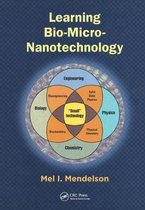
Bionanotechnology is a multidisciplinary field which is surrounded by ethics and social issues and
which includes the following sciences:
- Biology/life sciences
- Chemistry
- Physics
- Engineering
Short history of the start of nanotechnology:
1959 Feynman predicted in his lecture and paper “There’s Plenty of Room at the Bottom”
that something like the current nanotechnology would be possible at some point in
the near feature for him. Feynman however never mentioned the terms “nano” or
“nanotechnology”.
1974 Japanese researcher Taniguchi coins the term “nanotechnology”
1985/1986 Kroto, Smalley and Curl discover the first nanomaterial: fullerenes/BuckyBalls
1986 Drexler’s book “Engines of creation: The coming era of Nanotechnology” is released
1986 Rise of nanoinstrumentation (Nobel prizes for STM and electron microscopy)
1990s & Nanotechnology becomes big and also a great hype
21st
century
Lecture 2 – Self-assembly
Self-assembly: the autonomous organisation of components into patterns or structures without
human intervention.
- Self-assembly processes are common throughout nature and technology, they involve components
from the molecular scale (e.g. crystals are created spontaneously by self-assembly) to the planetary
Lecture 1 – Introduction nanotechnology
Nanotechnology: the study and control of phenomena and materials in which at least one dimension
has a scale between 1 and 100 nm. -> phenomena and structures which fall into this length scale can
be considered as large, of familiar scale or small, depending on one’s background and resulting
viewpoint:
a. Solid-state physicists, materials scientists, electrical engineers -> phenomena and structures which
belong to nanotechnology are small.
b. Biologists -> phenomena and structures which belong to nanotechnology are of familiar size
(biological structures like proteins or viruses often have a similar size).
c. Chemists -> phenomena and structures which belong to nanotechnology are large:
About 95% of all molecules is smaller than 1 nm!
1 nm ≈ 5 Si atoms stacked side by side.
Diameter of an atom ≈ 0.2 nm ≈ 2 Angstrom (1 nm = 10 Angstrom)
Macroscopic world = everything that is bigger than 0.1 mm/100 μm (the width of a human hair) and
which is therefore visible with the naked unaided eye.
Microscopic world = everything in the size-range 0.1-100 μm which is therefore visible with an optical
microscope.
Nanoscopic world = everything in the size-range 1-100 nm which is therefore only visible with an
electron microscope or atomic force microscope.
2 different methods of manufacturing can be used to make very small particles and/or structures:
1. Top-down approach: approach in which very small particles and/or structures are made by
removing material so that they are carved out.
- Uses mainly miniaturization: making existing things smaller and smaller.
- Mainly an engineer’s approach.
,2. Bottom-up approach: approach mainly used in the chemistry discipline in which very small
particles and/or structures are made by putting atoms and/or molecules in the correct positions so
that they are built up.
- Uses mainly molecular self-assembly: the spontaneous association of molecules under equilibrium
conditions into stable, structurally well-defined aggregates joined by non-covalent bonds.
- Mainly a chemist’s approach.
There are differences between microtechnology and nanotechnology:
1. Scale:
Scale of microtechnology = 0.1 μm/100 nm – 100 μm (in at least one dimension!)
Scale of nanotechnology = 1 – 100 nm (in at least one dimension!)
2. Types of materials used:
Microtechnology -> synthetic materials like silicon, glass and plastics
Nanotechnology -> synthetic materials like molecules, nanodevices, nanoparticles/colloids
3. Method of manufacturing used:
Microtechnology -> usually top-down approach
Nanotechnology -> usually bottom-up approach
Examples of sensors, devices and structures in microtechnology:
1. Micro-array: chips which are used to analyse genetic data.
2. Micro-fluidics devices: chips with microchannels through which small quantities of fluids flow in
,order to be analysed.
Examples of structures in nanotechnology:
1. BuckyBall/fullerene: spherical nanoparticle which exists solely out of carbon atoms which are
covalently attached to each other.
2. CarboNanoTubes: molecule which exists out of a single layer or multiple layers of carbon atoms
which are covalently attached to each other and which are rolled up to become a tube/cylinder.
3. Quantum dots (Qdots):
4. Nanoparticle with a gold coating/gold nanoshell:
Nanotechnology has 6 critical areas of application in which it will impact society:
- Health & longevity
, - Electronics & information technology
- Energy
- Agriculture
- Water & environment
- Transportation & security
It is important to realise that particles and structures at nanoscale have different physical and
chemical properties than the same structures and particles on a macroscopic scale (e.g. different
strength, electrical conductivity etc.).
Bionanotechnology is a multidisciplinary field which is surrounded by ethics and social issues and
which includes the following sciences:
- Biology/life sciences
- Chemistry
- Physics
- Engineering
Short history of the start of nanotechnology:
1959 Feynman predicted in his lecture and paper “There’s Plenty of Room at the Bottom”
that something like the current nanotechnology would be possible at some point in
the near feature for him. Feynman however never mentioned the terms “nano” or
“nanotechnology”.
1974 Japanese researcher Taniguchi coins the term “nanotechnology”
1985/1986 Kroto, Smalley and Curl discover the first nanomaterial: fullerenes/BuckyBalls
1986 Drexler’s book “Engines of creation: The coming era of Nanotechnology” is released
1986 Rise of nanoinstrumentation (Nobel prizes for STM and electron microscopy)
1990s & Nanotechnology becomes big and also a great hype
21st
century
Lecture 2 – Self-assembly
Self-assembly: the autonomous organisation of components into patterns or structures without
human intervention.
- Self-assembly processes are common throughout nature and technology, they involve components
from the molecular scale (e.g. crystals are created spontaneously by self-assembly) to the planetary