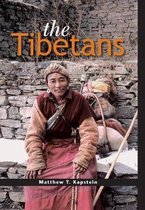
THE CULTURE OF TIBET
Not finished:
- Last parts of Chapter ⅘
- Shangri La - Chapter 7
- Art of Tibet
- Situ Panchen
- Last part of Dorje Phagmo
The Culture of Tibet............................................................................................................1
The Tibetans (P. 1-26)...................................................................................................................3
The Tibetans – Chapter 2..............................................................................................................8
The Tibetans – Chapter 3............................................................................................................14
The Empire’s implosion................................................................................................................21
The Tibetans – Chapter 4............................................................................................................24
Dynastic successors and the Kingdom of Gugö............................................................................24
The Tibetans – Chapter 5 - finish.................................................................................................35
Prisoners of Shangri-La – Chapter 5.............................................................................................44
The Tibetans– Chapter 7 - Monastic Institutions.........................................................................49
Key figure 1 – Mila Repa (1040-1123)..........................................................................................52
Key Figure 2 – Situ panchen (1699?-1774) STILL TO DO...............................................................56
Key Figure 3 – Gendun Chopel (1903-1951).................................................................................57
Key Figure 4 – The power of women and the Present Dorje Phagmo Reincarnation...................60
The Tibetans – Chapter 6 (199-205).............................................................................................60
Biography Dorje Phagmo – Chökyi Drönma (1422-1467?) NOT DONE YET..................................61
Key Figure 5 – The 14th Dalai Lama..............................................................................................64
Prisoners of Shangri- La Chapter 7 (181-207)..............................................................................64
The Tibetans – Chapter 7 (237-243) Festivals, pilgrimage & ritual cycles.....................................65
The Tibetans – Chapter 8 (261-268) Medicine, astronomy & divinatory sciences........................67
The Tibetans – Chapter 9 – Tibet in the modern world...............................................................70
Lecture notes....................................................................................................................76
Lesson 1......................................................................................................................................76
Lesson 2......................................................................................................................................76
Lesson 3......................................................................................................................................76
Lesson 4......................................................................................................................................76
Lesson 5......................................................................................................................................79
Lesson 6 Mila repa......................................................................................................................80
Lesson 7 – Key Figure Situ Panchen.............................................................................................81
Lesson 8 – gendun Chophel.........................................................................................................83
Lesson 9......................................................................................................................................84
Lesson 10 – 14th Dalai Lama.........................................................................................................84
1
,2
,THE TIBETANS (P. 1-26)
What is Tibetan culture? How can we define Tibetan culture? And, what
is the image we have of Tibetan culture in the modern Western world?
The first lecture will address these broad questions as an overture to our
further, more detailed investigations in this course.
1) Why is the West fascinated / mystified by Tibet?
(2) What are stereotypes of Tibet and Tibetan culture prevalent in the West?
Why are they so persistent?
(3) Where is Tibet geographically located now? Does Tibet still exist? Where is
Tibetan culture alive?
Nirvana: a transcendent state in which there is neither suffering, desire, nor sense of self and the
subject is released from the effects of karma and the cycle of death and rebirth. It represents the final
goal of Buddhism.
Bodhisattva: a person who can reach nirvana but delays doing so through compassion for suffering
beings.
Tibet means many things:
- Geographic: “roof of the world” from the Himalaya to the desserts of Inner Asia
- Linguistic: embraces regions from northern Pakistan to China’s Gansu Province: varieties of
Tibetan spoken
- Socioeconomic: dominant modes of production: high altitude pastoralism (of land used for
keeping or grazing of sheep or cattle) and a barely-based agriculture.
- Cultural: use of classical Tibetan as a literary medium: artistic and craft traditions and by the
important role of the religious system of Tibetan Buddhism.
- Political: according to one’s ideological standpoint or historical frame or reference, Tibet may
be an administrative unit of the contemporary PRC: TAR: Tibet Autonomous Region, or else
the much vaster territory that, came under the rule of the 5 th Dalai Lama during the 17th
century *defining as political region.
These people have not always considered themselves to be Tibetan (and sometimes still not), but in
most cases, they regard their culture and history as intimately tied to Tibet.
A popular legend provides a useful entry into the “land of snows”. At sometime in the distant past,
Avalokiteshvaa, the bodhisattva of compassion, gazed upon our world with the intention of saving the
creatures of Tibet. He looked but could not find a hint that the Buddha had visited that land or that his
teaching had ever reached it. What he saw, was a great area of darkness, which seemed to be the worst
place of the world. Not long before, it had been a vast sea, but now that the waters had receded it
appeared that the high regions of west Tibet were encircled by glacial mountains and fractured by
ravines. There were wild animals and the region resembled a reservoir (lakes and rivers), in the
middle elevations of the plateau were grass-covered valleys, with rocky massifs, where apes and
ogresses resided. And following the descent to the east there were tropical birds and trees. Still, with
3
, all the power of his divine sight, he could find no candidates for discipleship in Tibet, for no human
beings were yet to be seen.
This tale of the first glimpse of Tibet serves to direct our vision to several key features of the Tibetan
landscape. Formerly, Tibet was indeed at or below sea level. 45 million years ago, the Indian tectonic
plate collided with and began to be drawn underneath Southern Tibet, then the south coast of
continental Asia, the bed of the ancient Tethys Sea that had separated the continents began to rise. 🡪
gave birth to the Himalayas, and contributed to the formation of other great mountain ranges of inner
Asia: Karakorum, Pamir, Tianshan, and Kunlun. Glaciation 🡪 lakes (S/L) formed. Following the last
great Ice Age 🡪 recede(go or move back) (2oo m above present altitude). They didn’t have outlets so
many became rich in salts and other minerals 🡪 essential role in the traditional economy. The ongoing
subduction (underneath) of the Indian subcontinent, means that the Tibetan plateau (Tibet-Qinghai) Is
still in formation and is especially prone to earthquake. It is by far the most extensive high-altitude
region on earth. It embraces – roughly – 1/3 rd of the territory of modern China and is the size of entire
India 🡪 its immense!
Tibet is further depicted in the tale as a wilderness, a place that came to be peopled and tamed only at
a relatively late date through the divine agency of the bodhisattva, a civilizing influence originating
from beyond the frontiers of Tibet itself 🡪 much of Tibet was settled in recent times. In some
Himalayan districts, Tibetan settlement dates back only a few centuries. Of course, the population
concentrated in habitable areas that comprise only a fraction of the geographical region overall:
estimated that only about 1 percent sustains regular agricultural activity.
Three main geographical zones: high and harsh western reaches, the agricultural valleys of its mid-
elevations and the rich pasturage and forested lowlands as one descends towards China 🡪 from west to
east. The role of control of water resources(irrigation system) is a central one in the emergence of
civilization in Tibet. The Tibetan term for governmental authority (chapsi), literally “water-regime”,
derives from the polite and honorific, word for water, chap.
4
Not finished:
- Last parts of Chapter ⅘
- Shangri La - Chapter 7
- Art of Tibet
- Situ Panchen
- Last part of Dorje Phagmo
The Culture of Tibet............................................................................................................1
The Tibetans (P. 1-26)...................................................................................................................3
The Tibetans – Chapter 2..............................................................................................................8
The Tibetans – Chapter 3............................................................................................................14
The Empire’s implosion................................................................................................................21
The Tibetans – Chapter 4............................................................................................................24
Dynastic successors and the Kingdom of Gugö............................................................................24
The Tibetans – Chapter 5 - finish.................................................................................................35
Prisoners of Shangri-La – Chapter 5.............................................................................................44
The Tibetans– Chapter 7 - Monastic Institutions.........................................................................49
Key figure 1 – Mila Repa (1040-1123)..........................................................................................52
Key Figure 2 – Situ panchen (1699?-1774) STILL TO DO...............................................................56
Key Figure 3 – Gendun Chopel (1903-1951).................................................................................57
Key Figure 4 – The power of women and the Present Dorje Phagmo Reincarnation...................60
The Tibetans – Chapter 6 (199-205).............................................................................................60
Biography Dorje Phagmo – Chökyi Drönma (1422-1467?) NOT DONE YET..................................61
Key Figure 5 – The 14th Dalai Lama..............................................................................................64
Prisoners of Shangri- La Chapter 7 (181-207)..............................................................................64
The Tibetans – Chapter 7 (237-243) Festivals, pilgrimage & ritual cycles.....................................65
The Tibetans – Chapter 8 (261-268) Medicine, astronomy & divinatory sciences........................67
The Tibetans – Chapter 9 – Tibet in the modern world...............................................................70
Lecture notes....................................................................................................................76
Lesson 1......................................................................................................................................76
Lesson 2......................................................................................................................................76
Lesson 3......................................................................................................................................76
Lesson 4......................................................................................................................................76
Lesson 5......................................................................................................................................79
Lesson 6 Mila repa......................................................................................................................80
Lesson 7 – Key Figure Situ Panchen.............................................................................................81
Lesson 8 – gendun Chophel.........................................................................................................83
Lesson 9......................................................................................................................................84
Lesson 10 – 14th Dalai Lama.........................................................................................................84
1
,2
,THE TIBETANS (P. 1-26)
What is Tibetan culture? How can we define Tibetan culture? And, what
is the image we have of Tibetan culture in the modern Western world?
The first lecture will address these broad questions as an overture to our
further, more detailed investigations in this course.
1) Why is the West fascinated / mystified by Tibet?
(2) What are stereotypes of Tibet and Tibetan culture prevalent in the West?
Why are they so persistent?
(3) Where is Tibet geographically located now? Does Tibet still exist? Where is
Tibetan culture alive?
Nirvana: a transcendent state in which there is neither suffering, desire, nor sense of self and the
subject is released from the effects of karma and the cycle of death and rebirth. It represents the final
goal of Buddhism.
Bodhisattva: a person who can reach nirvana but delays doing so through compassion for suffering
beings.
Tibet means many things:
- Geographic: “roof of the world” from the Himalaya to the desserts of Inner Asia
- Linguistic: embraces regions from northern Pakistan to China’s Gansu Province: varieties of
Tibetan spoken
- Socioeconomic: dominant modes of production: high altitude pastoralism (of land used for
keeping or grazing of sheep or cattle) and a barely-based agriculture.
- Cultural: use of classical Tibetan as a literary medium: artistic and craft traditions and by the
important role of the religious system of Tibetan Buddhism.
- Political: according to one’s ideological standpoint or historical frame or reference, Tibet may
be an administrative unit of the contemporary PRC: TAR: Tibet Autonomous Region, or else
the much vaster territory that, came under the rule of the 5 th Dalai Lama during the 17th
century *defining as political region.
These people have not always considered themselves to be Tibetan (and sometimes still not), but in
most cases, they regard their culture and history as intimately tied to Tibet.
A popular legend provides a useful entry into the “land of snows”. At sometime in the distant past,
Avalokiteshvaa, the bodhisattva of compassion, gazed upon our world with the intention of saving the
creatures of Tibet. He looked but could not find a hint that the Buddha had visited that land or that his
teaching had ever reached it. What he saw, was a great area of darkness, which seemed to be the worst
place of the world. Not long before, it had been a vast sea, but now that the waters had receded it
appeared that the high regions of west Tibet were encircled by glacial mountains and fractured by
ravines. There were wild animals and the region resembled a reservoir (lakes and rivers), in the
middle elevations of the plateau were grass-covered valleys, with rocky massifs, where apes and
ogresses resided. And following the descent to the east there were tropical birds and trees. Still, with
3
, all the power of his divine sight, he could find no candidates for discipleship in Tibet, for no human
beings were yet to be seen.
This tale of the first glimpse of Tibet serves to direct our vision to several key features of the Tibetan
landscape. Formerly, Tibet was indeed at or below sea level. 45 million years ago, the Indian tectonic
plate collided with and began to be drawn underneath Southern Tibet, then the south coast of
continental Asia, the bed of the ancient Tethys Sea that had separated the continents began to rise. 🡪
gave birth to the Himalayas, and contributed to the formation of other great mountain ranges of inner
Asia: Karakorum, Pamir, Tianshan, and Kunlun. Glaciation 🡪 lakes (S/L) formed. Following the last
great Ice Age 🡪 recede(go or move back) (2oo m above present altitude). They didn’t have outlets so
many became rich in salts and other minerals 🡪 essential role in the traditional economy. The ongoing
subduction (underneath) of the Indian subcontinent, means that the Tibetan plateau (Tibet-Qinghai) Is
still in formation and is especially prone to earthquake. It is by far the most extensive high-altitude
region on earth. It embraces – roughly – 1/3 rd of the territory of modern China and is the size of entire
India 🡪 its immense!
Tibet is further depicted in the tale as a wilderness, a place that came to be peopled and tamed only at
a relatively late date through the divine agency of the bodhisattva, a civilizing influence originating
from beyond the frontiers of Tibet itself 🡪 much of Tibet was settled in recent times. In some
Himalayan districts, Tibetan settlement dates back only a few centuries. Of course, the population
concentrated in habitable areas that comprise only a fraction of the geographical region overall:
estimated that only about 1 percent sustains regular agricultural activity.
Three main geographical zones: high and harsh western reaches, the agricultural valleys of its mid-
elevations and the rich pasturage and forested lowlands as one descends towards China 🡪 from west to
east. The role of control of water resources(irrigation system) is a central one in the emergence of
civilization in Tibet. The Tibetan term for governmental authority (chapsi), literally “water-regime”,
derives from the polite and honorific, word for water, chap.
4