

Pearson BTEC • Information Technology 2016/2017 NQF
Latest uploads for Information Technology 2016/2017 NQF at Pearson BTEC. Looking for Information Technology 2016/2017 NQF notes at Pearson BTEC? We have lots of notes, study guides and study notes available for Information Technology 2016/2017 NQF at Pearson BTEC.
-
1137
-
4
-
154
Courses Information Technology 2016/2017 NQF at Pearson BTEC
Notes available for the following courses of Information Technology 2016/2017 NQF at Pearson BTEC
-
Unit 1 - Information Technology Systems
-
Unit 2 - Creating Systems to Manage Information
-
Unit 3 - Using Social Media in Business
-
Unit 4 - Programming
-
Unit 5 - Data Modelling
-
Unit 6 - Website Development
-
Unit 7 - Mobile Apps Development
-
Unit 8 - Computer Games Development
-
Unit 9 - IT Project Management
-
Unit 10 - Big Data and Business Analytics
-
Unit 11 - Cyber Security and Incident Management
-
Unit 12 - IT Technical Support and Management
-
Unit 13 - Software Testing
-
Unit 14 - IT Service Delivery
-
Unit 15 - Customising and Integrating Applications
-
Unit 16 - Cloud Storage and Collaboration Tools
-
Unit 17 - Digital 2D and 3D Graphics
-
Unit 18 - Digital Animation and Effects
-
Unit 19 - The Internet of Things
-
Unit 20 - Enterprise in IT
-
Unit 21 - Business Process Modelling Tools
Popular books Pearson BTEC • Information Technology 2016/2017 NQF
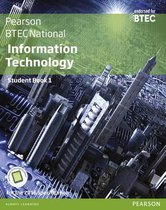
Jenny Phillips, Alan Jarvis • ISBN 9781292140414

Pm Heathcote • ISBN 9781910523155
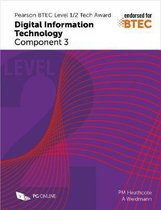
Pat M. Heathcote, Ann Weidmann • ISBN 9781910523148

Karen Anderson, Alan Jarvis • ISBN 9781846909283
Latest content Pearson BTEC • Information Technology 2016/2017 NQF

UNIT 5 DATA MODELLING ASSIGNMENT 2 (LEARNING AIM B)
- Essay
- • 16 pages's •
-
PEARSON•Unit 5 - Data Modelling

UNIT 5 DATA MODELLING ASSIGNMENT 2 (LEARNING AIM B)
- Essay
- • 16 pages's •
-
PEARSON•Unit 5 - Data Modelling

UNIT 5 DATA MODELLING ASSIGNMENT 2 Unit 5 Data Modelling Assignment 2 Introduction In this assignment, I was recently chosen to work as a trainee data analyst for a new organization. First and foremost, I am willing to develop an effective spreadsheet model that can forecast the effects of exchange rate fluctuations on company profit margins. I'll use this information to design a data model that meets all of the client's criteria, including worksheet structure diagrams and the ...
- Essay
- • 16 pages's •
-
PEARSON•Unit 5 - Data Modelling

IT Unit 5 Data Modelling Assignment 2 (DISTINCTION Unit 5 Data Modelling Assignment 2 Introduction In this assignment, I was recently chosen to work as a trainee data analyst for a new organization. First and foremost, I am willing to develop an effective spreadsheet model that can forecast the effects of exchange rate fluctuations on company profit margins. I'll use this information to design a data model that meets all of the client's criteria, including worksheet structure di...
- Essay
- • 16 pages's •
-
PEARSON•Unit 5 - Data Modelling

UNIT 4 PROGRAMMING ASSIGNMENT 1 (DISTINCTION ACHIEVED)
- Essay
- • 14 pages's •
-
PEARSON•Unit 4 - Programming

UNIT 4 PROGRAMMING ASSIGNMENT 1 (LEARNING AIM A) (DISTINCTION ACHIEVED)
- Essay
- • 14 pages's •
-
PEARSON•Unit 4 - Programming

UNIT 4 PROGRAMMING ASSIGNMENT 1
- Essay
- • 14 pages's •
-
PEARSON•Unit 4 - Programming

UNIT 4 PROGRAMMING ASSIGNMENT 1
- Essay
- • 14 pages's •
-
PEARSON•Unit 4 - Programming

Unit 10: Big Data and Business Analytics (Assignment 3) Distinction Marked by Pearson BTEC Level 3, So there is no any MISTAKES I made if they are the one who GRADED it. Cheapest and the most high standards assignments you can find and I give refunds if it doesn't meet your expectations which 99% of the time it will meet your standards. Have any questions? Ask me I will try to respond quickly as possible.
- Package deal
- Essay
- • 20 pages's •
-
PEARSON•Unit 10 - Big Data and Business Analytics
-
UNIT 10 Big Data analytics all units (Distinction) Achieved.• Bynh0801819

Unit 4 Programming Assignment 1 Assignment 1 - Content of Programming Explain how computational thinking skills are applied in finding solutions that can be interpreted into software applications? Computers can support us in finding solutions through breaking it down into smaller pieces and making it easier to apply logical solutions. Computational thinking allows one to take a problem, examine it, and create a solution. I can use a computer and present the solutions or understand it...
- Essay
- • 14 pages's •
-
PEARSON•Unit 4 - Programming